
Who Bought Martha Washington’s Belongings? Tudor Place Has Answers That Change History
New exhibit reveals that enslaved and free Black Americans were among the buyers at the 1802 Mount Vernon estate auction.


WASHINGTON, D.C. – As the nation approaches the 250th anniversary of American independence, Tudor Place Historic House & Garden is inviting the public to look beyond familiar founding-era narratives and examine the people, possessions, and power structures that shaped the early United States. Opening February 11, 2026 — during Black History Month — the exhibition “Founding Fortunes: The Estate Sale of Martha Washington” anchors Tudor Place’s America 250 commemoration with new research that deepens understanding of both the site’s history and the lives of Black Americans in the nation’s earliest years.

Tudor Place was the home of Martha Washington’s descendants. In 1805, Martha Washington’s granddaughter, Martha Custis Peter, and her husband, Thomas Peter, built the Georgetown estate that would remain in their family for six generations. The couple’s close ties to the Washington family shaped Tudor Place from its earliest days, including its remarkable collection of furnishings and personal objects connected to George and Martha Washington.

Many of those objects entered the Peter family’s possession through the 1802 public estate sale of Martha Washington’s household contents at Mount Vernon. The sale included more than 500 lots — equivalent to over 1,000 items — covering furniture, decorative arts, textiles, artwork, and kitchenware, and raised $3,735 to support the education of Washington family heirs. Martha and Thomas Peter were among the buyers, acquiring objects that would furnish their new home and help establish their social standing in the young republic. Remarkably, many of those pieces remain at Tudor Place today, and several will be displayed publicly for the first time in “Founding Fortunes.”
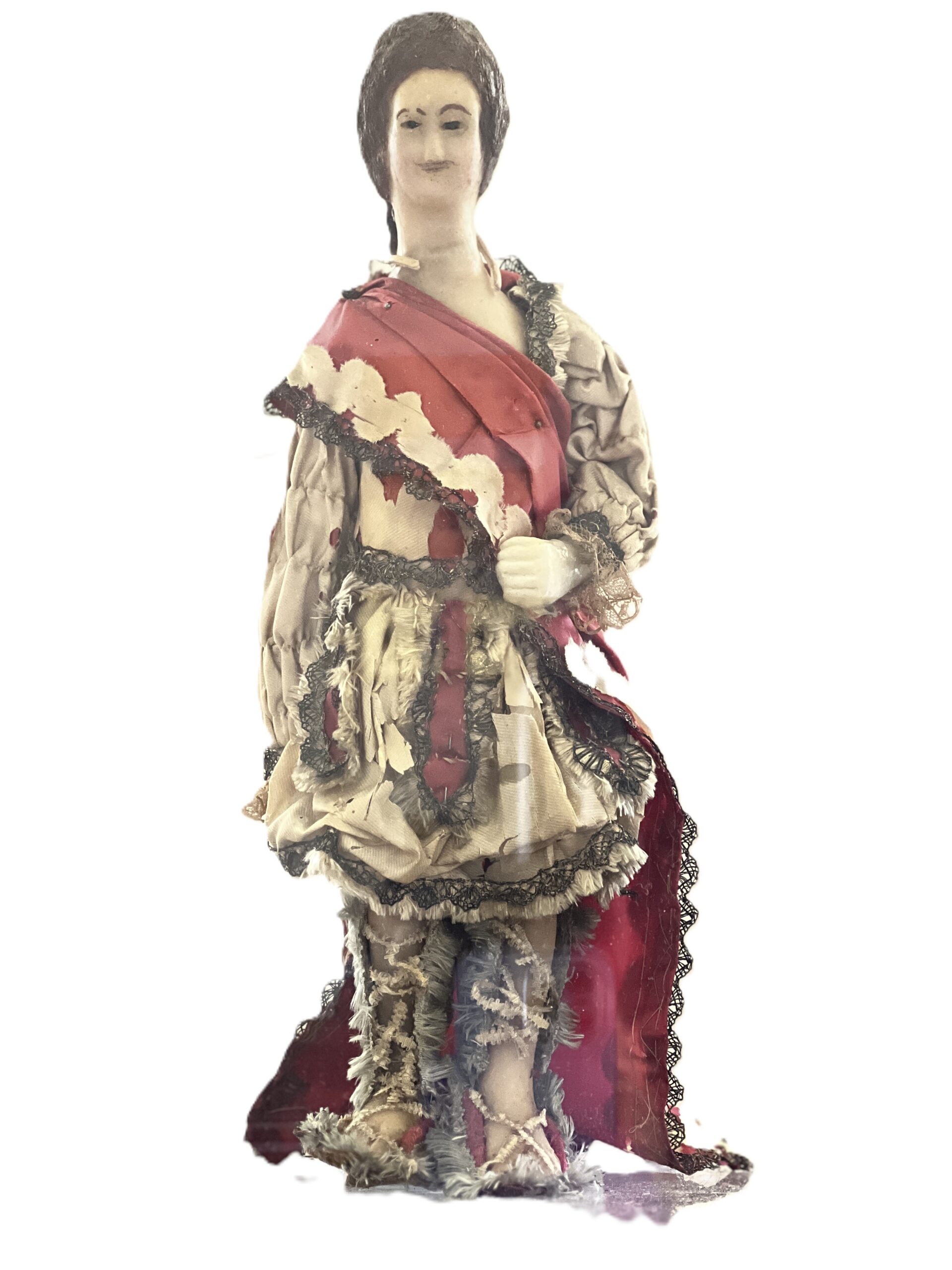
While historians have long studied the 1802 sale to trace the movement of a founding family’s possessions, new research conducted by Tudor Place staff has revealed previously overlooked participants. A document discovered in the Tudor Place archives shows that some purchasers were enslaved and manumitted Black women and men — an extraordinary finding that adds new depth to the historical record.
“Historians have intensely studied this sale because it traces the fate of a founding family’s possessions,” said curator Rob DeHart. “What no one realized until now is that some of these objects ended up in the hands of people the Washingtons may have enslaved.”
DeHart added, “What makes this project truly remarkable is uncovering that both enslaved and free people of African descent purchased items at Martha Washington’s estate sale.”

This discovery is especially meaningful during Black History Month, as it highlights the presence, agency, and economic participation of Black individuals in early American society — people whose stories have often been marginalized or omitted. At a time when most buyers at such sales were white men, the participation of enslaved and formerly enslaved individuals challenges assumptions about who could engage, even in limited ways, in the marketplace of the early republic.
Historian and genealogist Meredith Jackson, who specializes in African American history from the colonial period to the Reconstruction era, noted that one of the most impactful parts of the exhibit focuses on documented cash purchases. She said this detail reveals an important and often overlooked fact: both free and enslaved Black men and women could purchase artifacts from the Washington estate.
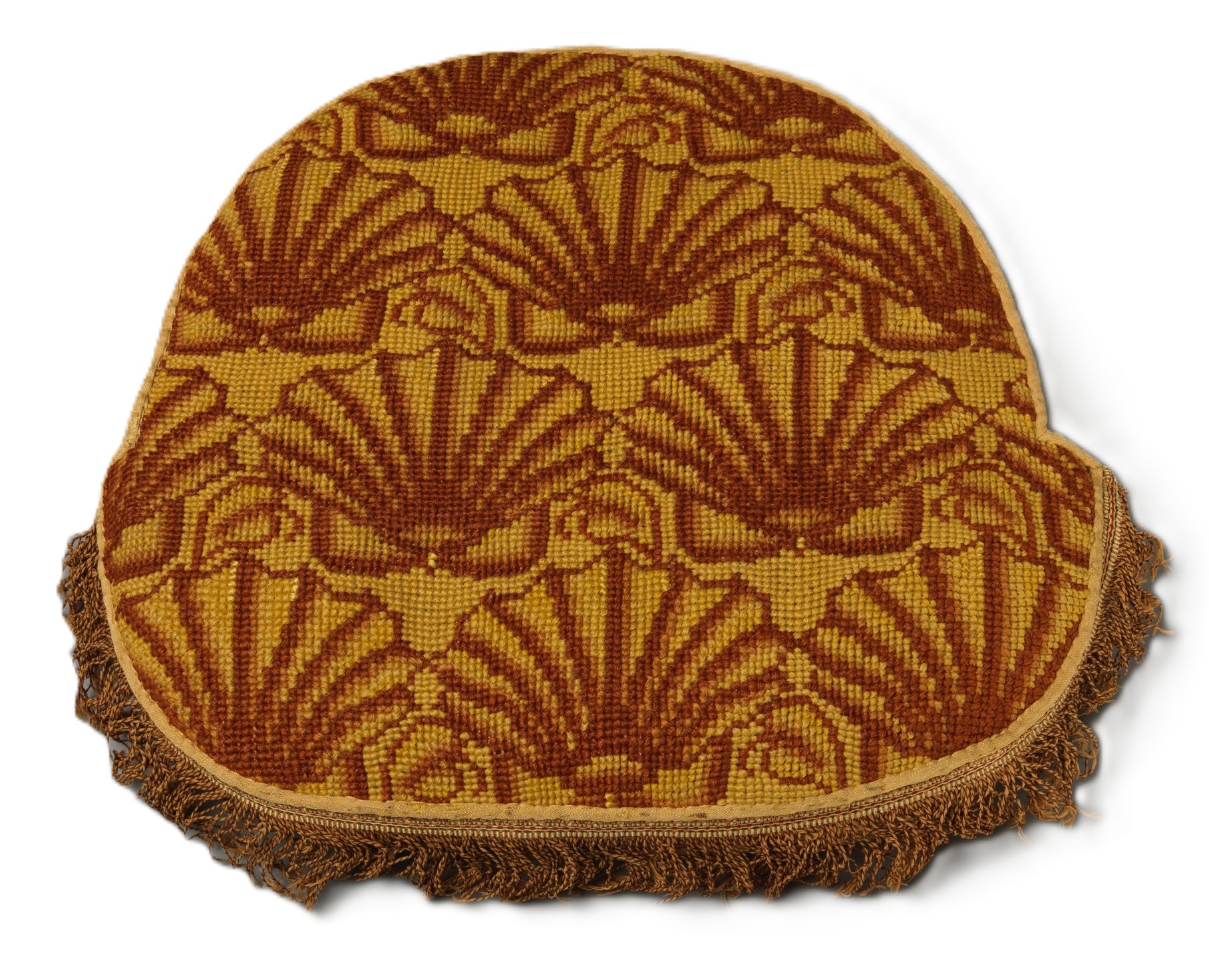
“This act sent a powerful message to white bidders, signaling that they, too, could own a piece of this historic estate,” Jackson said. “It highlights that American history belongs to everyone who lives in this country.”
“Founding Fortunes” uses material culture to explore these complexities. The exhibition examines how the Peter family used household goods to build wealth and status, while also acknowledging that this prosperity was made possible through systems of enslavement. By placing these objects in conversation with the lives of the enslaved people connected to the Custis, Washington, and Peter families, the exhibition presents a fuller, more honest account of the nation’s past.

The exhibition is a centerpiece of America 250 at Tudor Place, a yearlong series of programs, lectures, and events that explore the intertwined histories of Indigenous peoples, founding families, and enslaved individuals. Together, these initiatives encourage visitors to reflect on whose stories have been preserved and whose have been overlooked.
By opening “Founding Fortunes” during Black History Month, Tudor Place underscores the importance of confronting the complexities of the founding era. Through the belongings of Martha Washington and the people who sought to own them, the exhibition reveals a nation shaped by aspiration, inequality, and resilience — and invites visitors to consider how a more inclusive understanding of history can inform the future.
Please visit the exhibit page to register for tickets to see this fascinating collection. For more information, contact Tudor Place Historic House & Garden | 1644 31st Street, NW | Washington, DC 20007 or visit tudorplace.org.