
The Hidden Genius of George Washington: Mount Vernon’s New Gardens Chief Reveals the Farming Secrets That Changed America
Jonathan Kavalier, Mount Vernon's new Executive Director of Gardens and Landscapes, says America's first president was far more than a soldier and statesman—an innovative farmer, landscape designer, and conservation pioneer whose ideas continue to shape the historic estate today.

ALEXANDRIA, Va. – Walk through Mount Vernon today, and you’re walking through George Washington’s green thumb. As Jonathan Kavalier steps in as the new Executive Director of Gardens and Landscapes, he’s highlighting a lesser-known side of the founding father: an aggressive agricultural innovator and conservationist whose historic vision is actively shaping Mount Vernon’s living future.
A New Steward for a National Treasure
Jonathan Kavalier has spent more than two decades cultivating public gardens, but his newest assignment reaches beyond flowers, lawns, and historic landscapes. As the new Executive Director of Gardens and Landscapes at George Washington’s Mount Vernon, he now serves as steward of the landscape that George Washington himself carefully designed to reflect both beauty and purpose.

Kavalier joined Mount Vernon in late March during a period of significant change. The estate recently created a unified Gardens and Landscapes Department that brings together horticulture, grounds, livestock, archaeology, and landscape history under one leadership team. “It’s a really exciting time at Mount Vernon,” Kavalier said. “Managing a historic landscape is a lot of detective work.”
More Than a President—A Revolutionary Farmer
Before arriving at Mount Vernon, Kavalier managed gardens at the Smithsonian Institution, the Architect of the Capitol, and Dumbarton Oaks. As he studies Mount Vernon’s landscape, he has gained an even greater appreciation for Washington’s achievements as a farmer and innovator. Even during the Revolutionary War and his presidency, Washington regularly sent detailed instructions home to his farm manager, William Pearce, about managing Mount Vernon’s fields and gardens.
According to Lindsay Chervinsky, the Executive Director of the George Washington Presidential Library, Washington stayed deeply devoted to agricultural advancement throughout his life. She notes, “The letters are such a great example of Washington’s ongoing commitment to farming innovation. He remained intensely focused on his plantation even during the most intense moments of his presidency. His heart was always at Mount Vernon.”
Borrowing the Best Ideas from England
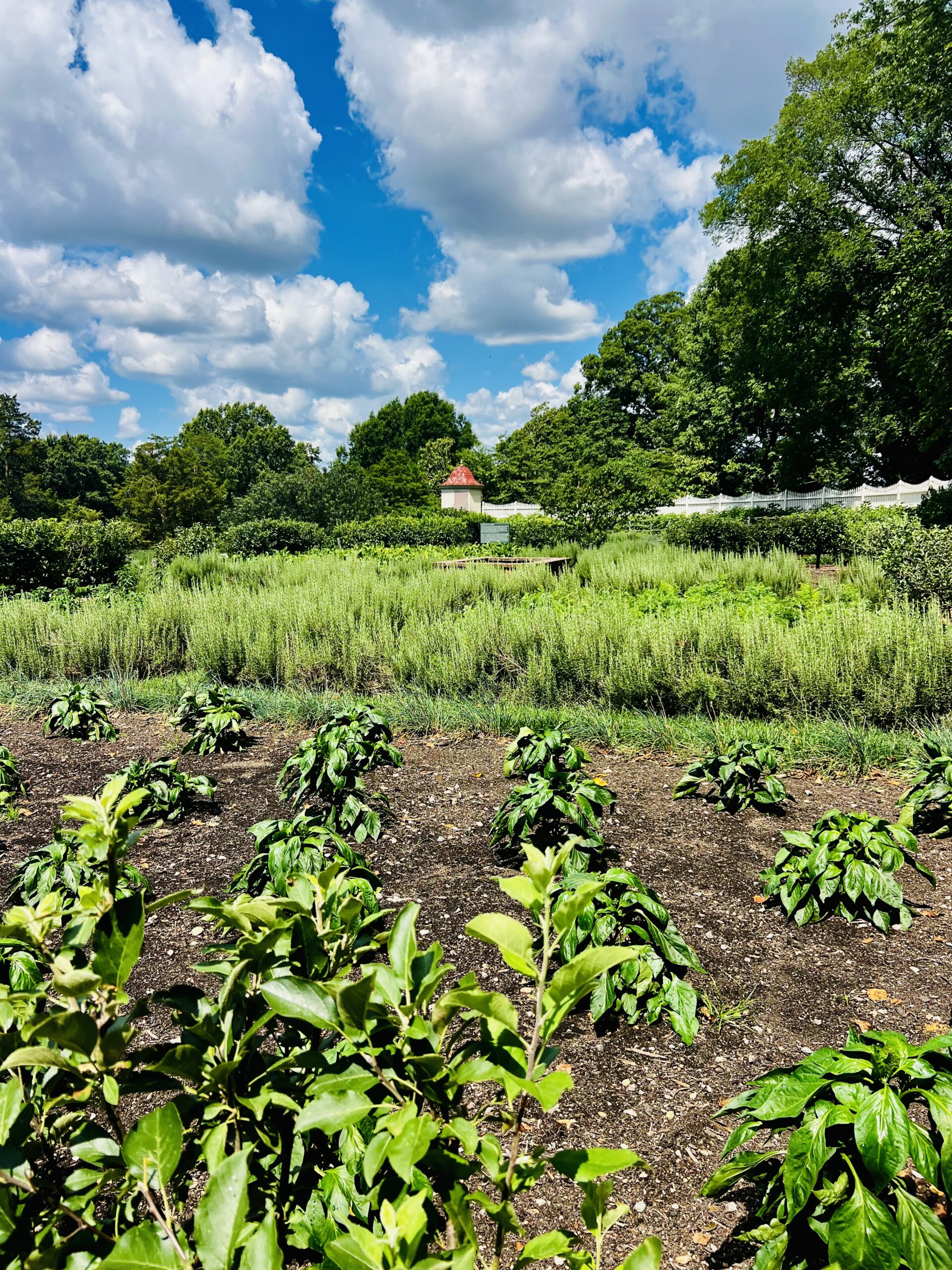
Although devoted to American independence, Washington eagerly studied English advances in farming and landscape design. Inspired by Batty Langley and agricultural reformer Arthur Young, he embraced picturesque landscapes, crop rotation, soil improvement, and new farming methods. He imported English plows, modified their designs, and shared his improvements with Young while transforming Mount Vernon into an agricultural laboratory.
Seeds, Soil and Scientific Farming
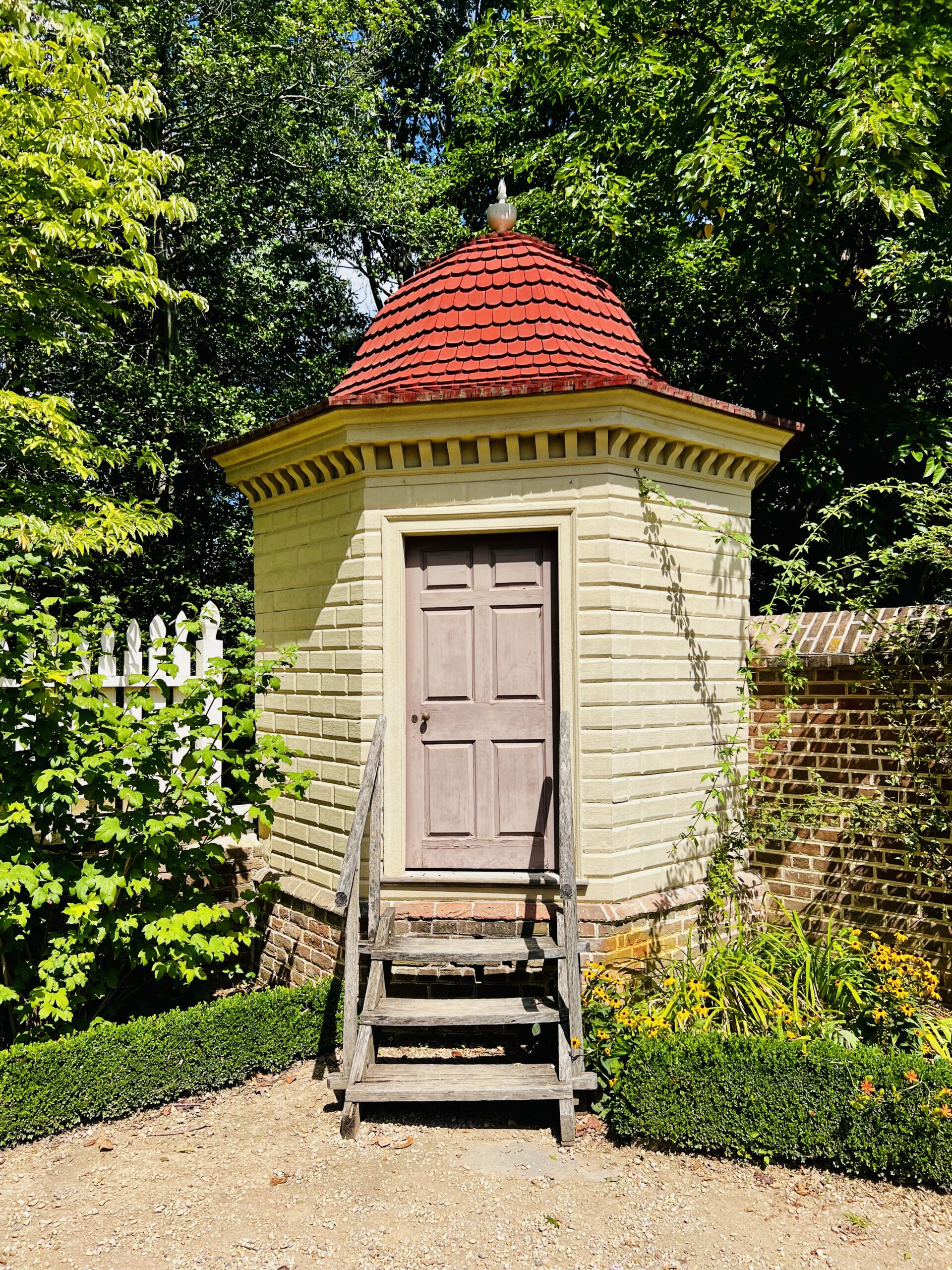
Washington carefully managed seed for wheat, corn, buckwheat and other crops while implementing his seven-field crop rotation. He did not invent seed saving, but he refined and promoted the practice as part of a practical system of sustainable farming. Two original octagonal seed houses still stand at Mount Vernon, where harvested seed was cleaned, dried and stored securely for future planting. Washington also exchanged seeds with John Bartram and Thomas Jefferson, expanding the estate’s remarkable collection of plants.
A Landscape Reimagined After the Revolution
Between 1783 and 1785, Washington transformed Mount Vernon after returning from the Revolutionary War. He redesigned the Bowling Green, added serpentine paths, created the pleasure garden, and refined the kitchen garden under Martha Washington’s supervision. His designs balanced formal symmetry with naturalistic landscapes inspired by English garden design.
Diplomacy Through Horticulture
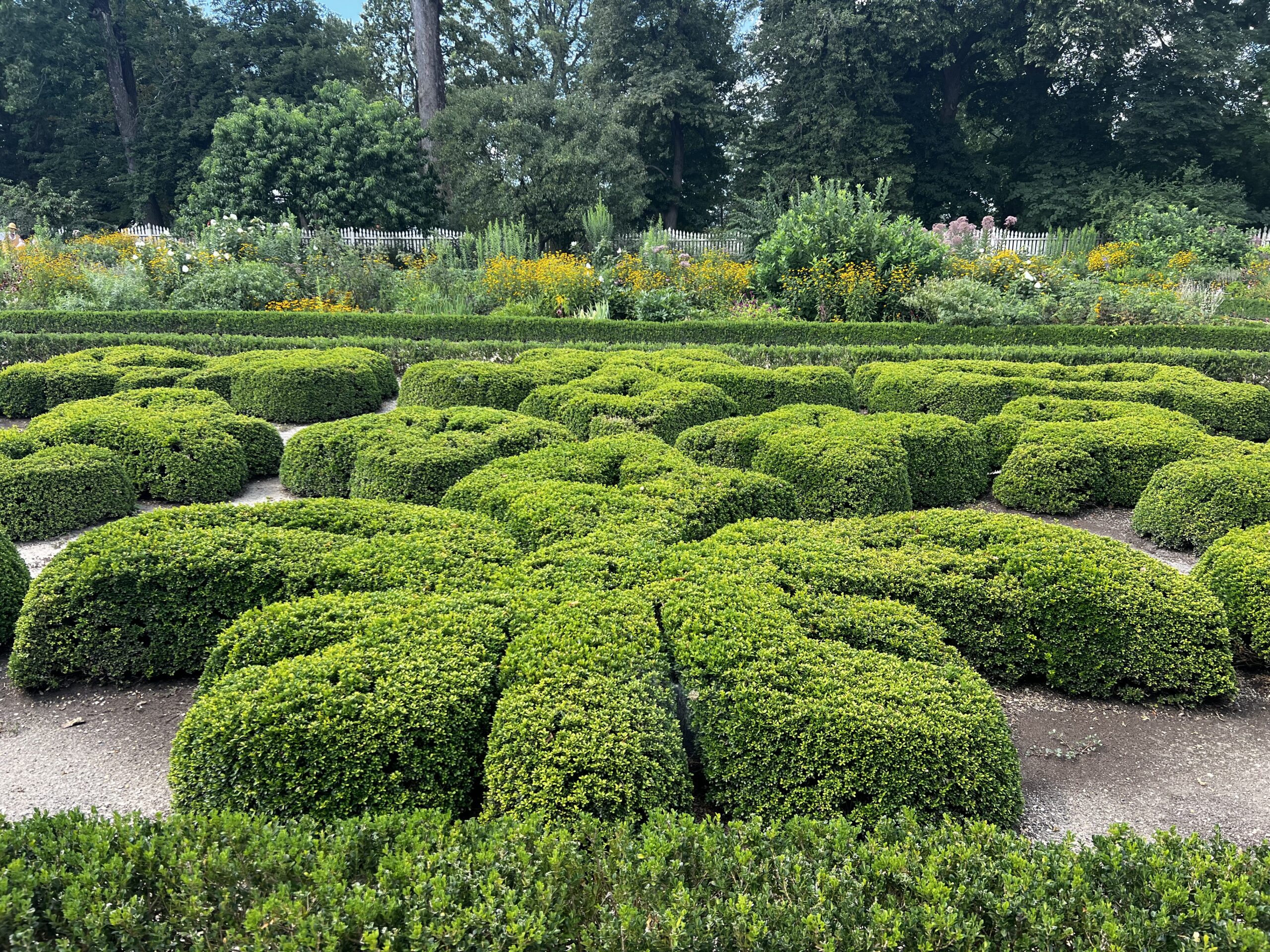
Kavalier believes every element of the estate reflects Washington’s ability to unite beauty with utility. Even the graceful octagonal seed houses combined function with architectural elegance. Washington’s formal parterres incorporated fleur-de-lis motifs that likely honored France’s support during the Revolution—a concept Kavalier describes as ‘diplomacy through horticulture.’ As Kavalier begins his tenure, he inherits stewardship of a living landscape that continues to reveal new insights into America’s first president.