
$120 Million Samuel Madden Homes Redevelopment Reaches Major Milestone in Alexandria
Fairstead, ARHA, and Mayor Alyia Gaskins celebrate topping out as the mixed-income housing community takes shape

ALEXANDRIA, VA — The $120 million Samuel Madden Homes redevelopment reached a major milestone Wednesday, nearly 11 months after city leaders and development partners first broke ground on the ambitious Old Town Alexandria project.
On a crisp fall morning, partners and officials returned to 999 N. Henry St.
This time, they looked up.
TOPPING OUT
The six-story building has reached its highest structural point, marking the official topping out of one of Alexandria’s premier mixed-income housing initiatives.
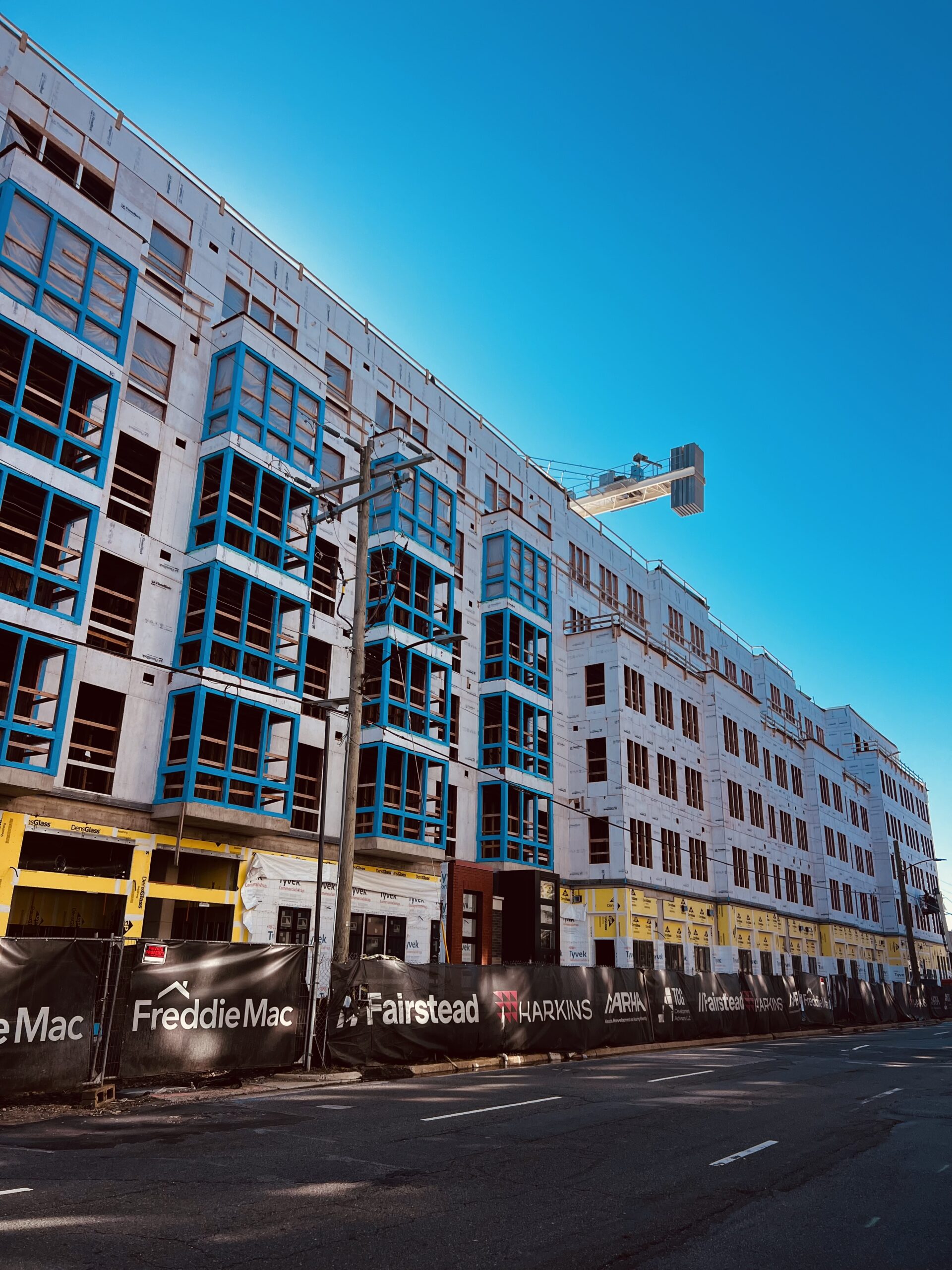
“This topping out marks a major milestone in the transformation of this community,” said Rob Barnard, senior director at Fairstead, the national real estate firm leading the redevelopment.
Partnerships and Shared Commitment Drive Progress
Barnard emphasized that the milestone represents far more than concrete and steel. Instead, it reflects the partnerships and shared dedication powering the initiative. From this point forward, crews will concentrate on enclosing the structure and finishing the interior spaces.

“Last year, when we were in the bottom of a pit,” Barnard recalled, few could have missed the sheer scale of the work ahead. Now, the rising structure presents a dramatically different view.
Transforming Public Housing into a Modern Community
The original Samuel Madden Homes North provided 66 public housing units. In contrast, the new redevelopment replaces that footprint with a significantly larger mixed-income community for households earning between 30 and 80 percent of the area median income.
In total, the finished $120 million development will span roughly 295,000 square feet. Furthermore, plans call for the building to meet rigorous Enterprise Green Communities and Zero Energy Ready Home standards.
Modern Amenities and Supportive Services for Residents
Consequently, future residents will enjoy features rarely found in traditional public housing. The community will offer a podcast studio, a tech-equipped game room with free high-speed internet, secure underground parking, and 7,500 square feet of open amenity space.
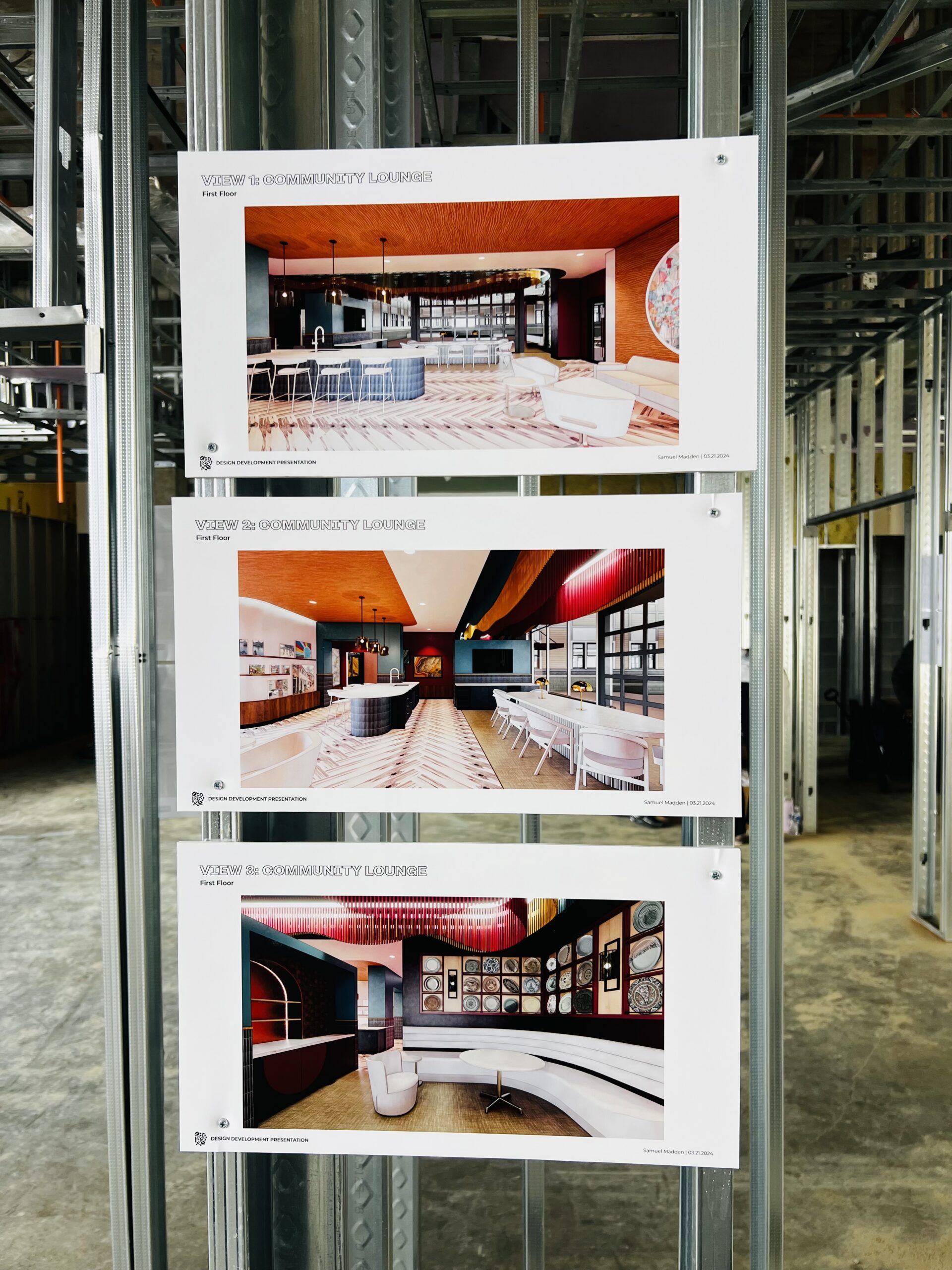
In addition, planners have designated the ground floor along Patrick Street for a neighborhood food hub. On-site supportive services will also connect tenants directly with legal aid and financial counseling.
Barnard praised the diverse coalition of community organizations and building professionals who guided the project to this threshold.
Collaborative Leadership Across the City
Roy Priest, interim CEO of the Alexandria Redevelopment and Housing Authority (ARHA), noted that the building’s silhouette makes an immediate impression on anyone entering Alexandria.
“To see the scale and mass of this building … it’s kind of awesome,” Priest remarked.
Priest underlined that complex affordable housing projects succeed only when public agencies, private developers, lenders, and builders coordinate closely.

“You do things when you work together,” Priest said, commending ARHA commissioners and staff for their resilience and stewardship. “We don’t do this alone. I want to thank the staff for their resilience, support, and really working together to achieve this outcome we have right now.”
Building Homes That Transform Lives
Mayor Alyia Gaskins reflected on the site’s rapid evolution over the past eleven months. Specifically, she recalled standing at the site a year ago, looking across “essentially a pile of dirt” and contemplating the steep climb ahead.
“Look how far we have come,” Gaskins said. “Look at what we are building and look at the potential of what we are creating.”
Moreover, Gaskins noted that passersby see far more than fresh concrete and rising walls.
“This isn’t just another set of units,” she said. “This is truly a place where we are creating homes.”

The development team shaped each living space around the residents’ stories and futures. Finally, Gaskins commended the on-site construction crews and tradespeople whose daily labor turned architectural blueprints into reality.
Together, she affirmed, Alexandria is creating an anchor that will do more than revitalize neighborhood space.
“It’s going to transform lives.”