
Flock Cameras in Alexandria Raise Privacy Questions
Flock camera technology helps police locate vehicles and suspects — but it also prompts questions about privacy, data sharing and public oversight.

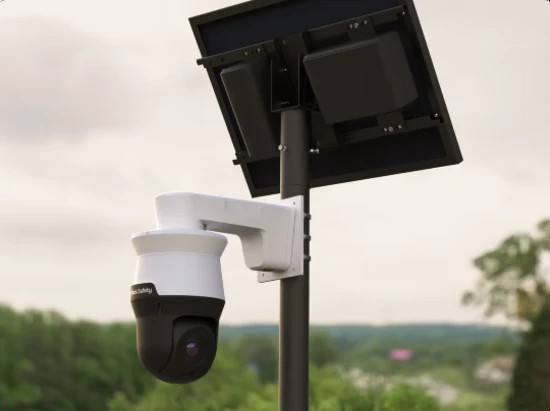
Alexandria, VA – A quick search of the website HaveIBeenFlocked.com let me enter my Virginia plate number to see whether it appeared in publicly obtained audit records of searches made through Flock Safety, the automated license-plate recognition system used by Alexandria Police.
My result: “No results found.”
That does not necessarily mean my car has never passed a Flock camera. The website uses available audit logs of searches performed through the system — not a record of every vehicle photographed — and acknowledges its database is incomplete.
But it raises a larger question: What exactly are these cameras doing in Alexandria, and who gets to decide how they are used?
Flock cameras are not speed cameras. They capture license plates and other vehicle characteristics, along with the time and location a vehicle was observed. Flock says the cameras are designed to identify vehicles, not people, and do not use facial recognition.
For police, the technology can serve as an extra set of eyes. If a vehicle connected to a stolen-car report, warrant or other alert passes a reader, the system can notify an officer, who must verify the information before deciding what to do next. Detectives can also use the data after a crime, following a partial plate number or vehicle description that otherwise might lead nowhere.
During Alexandria’s initial six-month license-plate-reader pilot, the City reported the technology helped close 14 cases, contributed to 33 arrests or warrants and helped recover more than $250,000 in stolen property.
There is also a recent example. In December 2025, Alexandria police were looking for Timothy Valentin, who had been entered into the National Crime Information Center as a wanted felon in connection with a sexual-assault investigation. According to APD, officers received a license-plate-reader alert showing his vehicle traveling through Alexandria and located him within hours.
Today, APD operates 61 Flock cameras. The technology can help police find stolen vehicles and wanted suspects, but that does not settle the larger public debate.
Privacy advocates argue that a network capable of recording a vehicle’s movements can become a form of mass surveillance, particularly when information is shared widely or retained too long. Some Virginia localities have recently limited or ended their Flock programs after residents raised similar concerns.
Mayor Alyia Gaskins has acknowledged that Alexandria needs an open discussion. “I have reached out to the Chief and the City Manager to express my desire for a public conversation about the use of Flock cameras and other surveillance tech,” she said this month, including discussion of budgets, civil rights, placement decisions, disclosure and current policies.
Virginia law places important limits on the systems. Data generally must be deleted after 21 days, and sharing is limited to defined law-enforcement purposes, including criminal investigations, missing-person cases, warrants and stolen vehicles. Willful misuse is a Class 1 misdemeanor. A camera alert alone also is not enough to justify a traffic stop; officers must independently confirm the match or develop reasonable suspicion.
The question is not simply whether the cameras are useful. They clearly can be. It is whether Alexandria has the safeguards, transparency and public input needed to ensure that usefulness does not come at too high a cost.


