
Bastille Chefs’ Hometown Visit Inspires October 16 Wine Pairing Dinner
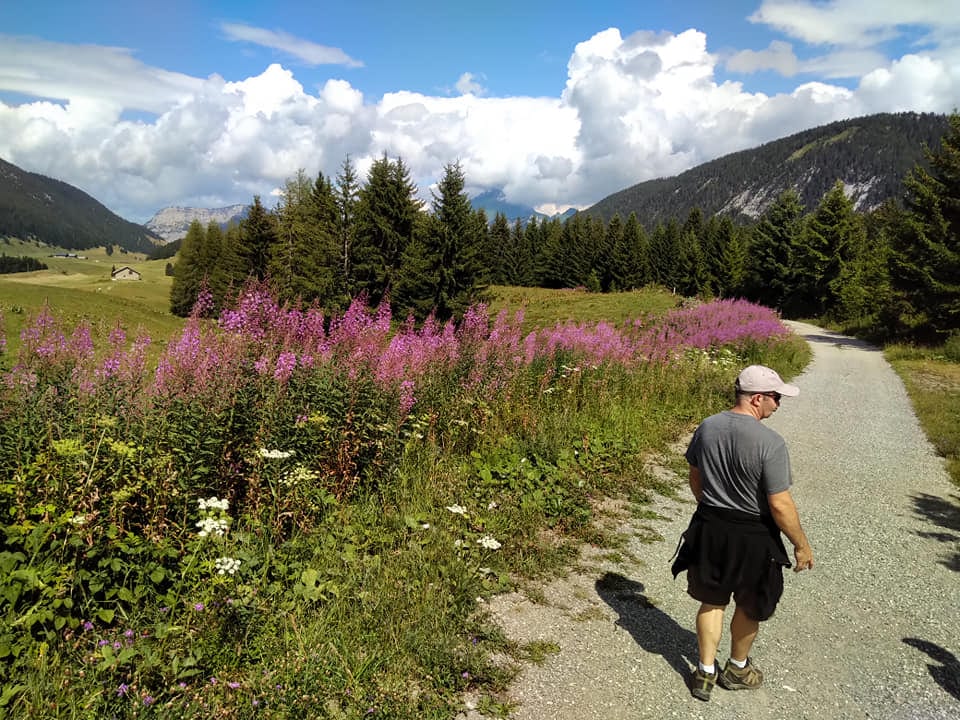
ALEXANDRIA, VA – Inspired by a recent visit to Chef Chrisophe Poteaux’s family home in Haute Savoie, Chef/owners Christophe and Michelle Poteaux of Bastille restaurant in Old Town Alexandria want to share the region with their customers. They are presenting a meal perfectly attuned to the cooling temperatures and invocative of this beautiful area in the French Alps. This five-course $67 prix fixe wine pairing dinner has limited seating and will take place on Wednesday, October 16, 2019 beginning at 6:30. Reservations are open now.
For more about Bastille, see the Zebra review in 2018
The meal begins with an Amuse Bouche of potato beignets paired with Domaine Delalex, Marin 2014 (100% Chasselas); followed by Soupe Fondue—a blend of Tomme, Comte and Beaufort with onions, leeks and country bread croutons paired with Domaine Lupin, Roussette de Savoie Frangy 2017(100% Altesse); Salade montagnarde–hearty greens, potatoes, lardons and poached egg with Domaine de Lupin, Vin de Savoie Mondeuse 2017 (100% Mondeuse); Tartiflette–baked potato, onion and Reblochon cheese gratin with smoked pork tenderloin and tomato persillade with Cellier des Cray, “Cuvee Octavie” Savoie 2015 (100% Persan); and for dessert, Michelle’s luscious Gâteau de Savoie aux Myrtilles–Savoie sponge cake with wild blueberry sauce and crème Chantilly.
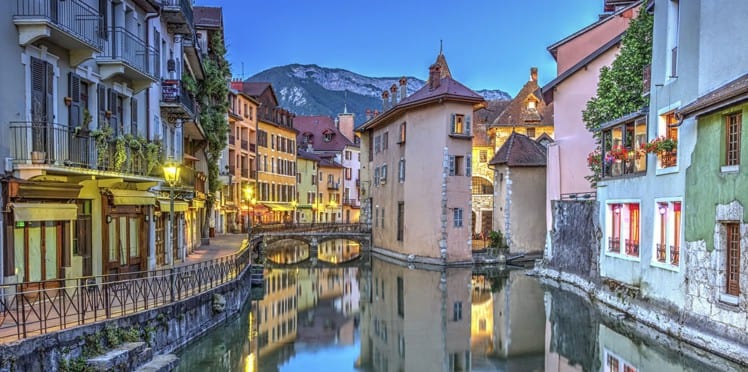 Haute-Savoie is a region in the Alps of eastern France. The many ski resorts in the Mont Blanc mountain range include popular Chamonix, with access to a large area of ski and snowboard runs. Year-round cable cars ascend to peaks like Aiguille du Midi, which has panoramic views. Northwest is Flaine, a ski resort with trails, modern architecture and open-air sculptures by Pablo Picasso and Jean Dubuffet. Haute Savoie is known for its agriculture, most notably its cows, which produce numerous cheeses including Beaufort.
 Bastille is open for dinner on Mondays at 5 pm; Tuesday through Saturday from 11:30 am until 10 pm and Sunday 11:30 am until 9 pm serving brunch, lunch, dinner and all-day dining with café and bar menu offered. The restaurant is located in The Asher at 606 N. Fayette Street in Alexandria, VA, just two blocks from the Braddock Metro. For reservations and further information log into www.bastillerestaurant.com or call 703-519-3776.


