Sophia Browning Bell’s Story Restored at Alexandria’s Historic Market Square

Alexandria, VA – Every market day, Sophia Browning Bell walked to Alexandria carrying vegetables to sell. She was enslaved.
Bell was allowed to cultivate what was known as a market garden, likely a small plot where she could grow produce. According to testimony preserved in a new Historic Alexandria study, she quietly saved $400 from her sales without her owner’s knowledge.
She entrusted the money to a Methodist preacher, who used it in 1801 to purchase the freedom of her husband, George Bell. A few years later, George purchased Sophia’s freedom.
Her story is one of many explored in Alexandria City Hall, Market Square, and Slavery: A Documentary Study, a 242-page report by historian Greg A. Beaman, Ph.D., published by the Office of Historic Alexandria.
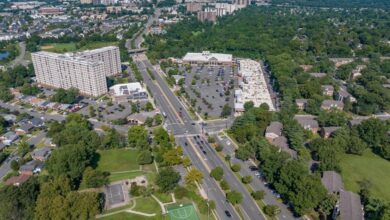
The study arrives as City Hall and Market Square undergo a massive renovation expected to take more than two years. The 153-year-old City Hall building, plaza and underground parking garage are being rebuilt and modernized after more than 60 years without major upgrades.
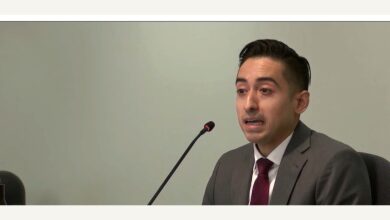
Mayor Alyia Gaskins said the project is also an opportunity to tell a fuller story about Alexandria’s civic heart.
“What I wanted to talk about today, however, was our city’s commitment to making sure that we understand the full history of Market Square and City Hall,” Gaskins said in a video message.
When City Hall reopens, the City hopes to include historic signage, interactive exhibits and places where visitors can learn about the people and events that shaped the site.

For more than 275 years, Market Square has been Alexandria’s center of government, commerce and public life. It also carries a history of enslavement, racial oppression, emancipation and Black achievement.
Bell’s connection to the market comes from an 1871 federal education report based on congressional testimony given three years earlier. Beaman notes that historians have not located direct market or manumission records documenting her story. The study says that absence shows how easily Black women’s lives and accomplishments could disappear from the written record under slavery.
What did survive is remarkable. George Bell later became one of three men credited with establishing Washington, D.C.’s first school for Black students in 1807. Sophia’s work helped secure her family’s freedom and contributed indirectly to the early history of Black education in the nation’s capital.
The report recovers other names, too.
Gustavus Gibson, born enslaved around 1756, purchased his freedom in 1824. By 1830, he was cleaning the Market House and lighting its lamps. His sons later continued the work.
William Lyles, born around 1795, also purchased his freedom in 1824 and became known as a cook selling prepared foods at the market. His grandson, Rozier D. Lyles, is the namesake of Lyles-Crouch Traditional Academy.
Rachel Harper operated a cookshop in the Market House and was listed in the 1870 census as a “cook in the market.”
The study does not avoid the square’s most painful history. On Nov. 16, 1789, a crowd gathered outside the Fairfax County Courthouse to bid on the legal authority to enslave 60 men, women and children—the largest known public sale of enslaved people held at Market Square.
“As our city’s first Black female mayor, I think it’s critical that we are constantly finding ways to keep learning, telling our full history,” Gaskins said.
When City Hall reopens, people will return to conduct business, attend meetings and shop at the farmers market. They may also encounter Sophia Browning Bell and others whose lives unfolded on that same ground—and whose stories are finally returning to the center of Alexandria’s history.