Did George Washington Really Create the American Foxhound? We Asked Mount Vernon.
Washington’s records reveal deliberate breeding, memorable dog names and a sporting legacy carried forward by a champion named George.
MOUNT VERNON, VA — George Washington helped found a nation. But did he also create a dog breed?
He is often credited with developing the American foxhound, and some versions of the story go further, saying he bred the very first one. With America celebrating its 250th anniversary, The Zebra Press turned to Mount Vernon to find out what the records establish.
The answer takes us through imported hounds, carefully managed breeding, enslaved people’s labor and a sport that helped shape Washington’s social world. It also brings us to a modern champion named George, whose recent visit to Mount Vernon gives this history a living connection.
A general back home at Mount Vernon
Washington was 53 when seven French hounds arrived at Mount Vernon in August 1785. He had resigned his military commission in December 1783 and returned home after the Revolutionary War. His inauguration as president was still four years away; his retirement from the presidency would come in 1797, when he was 65.
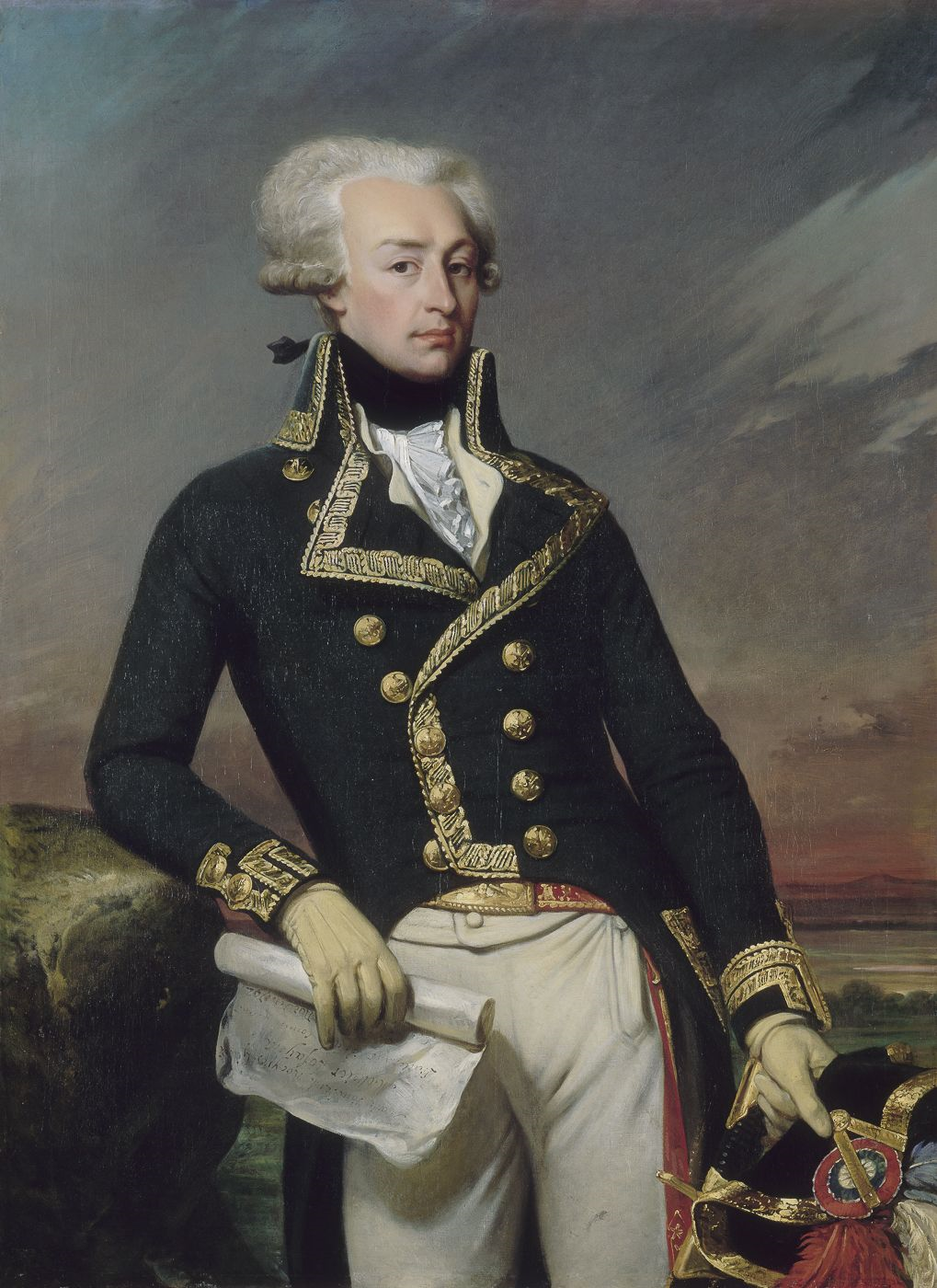
The dogs were a gift from a gentleman in Normandy, arranged through Washington’s friend and Revolutionary War ally, the Marquis de Lafayette. Mount Vernon’s account, “French Hound Farces,” identifies three males and four females.
What the breeding records establish
“We know that Washington was one of the original developers of the American Foxhound,” Mount Vernon staff wrote in answers supplied to The Zebra through Julie Coleman Almacy, the estate’s vice president of media and communications.
Almacy consulted colleagues in the Gardens and Landscape department, which includes Livestock. Their response describes the breed’s development from English and French hounds mixed with local American stock, and Washington’s records of breeding, litters and the qualities of his dogs.
The estate’s report “George Washington’s Dogs,” compiled by research historian Mary Thompson and updated by Ileana Ogden in 2024, describes an “active breeding program” and apparent exchanges of foxhounds with Bryan Fairfax and George Calvert.
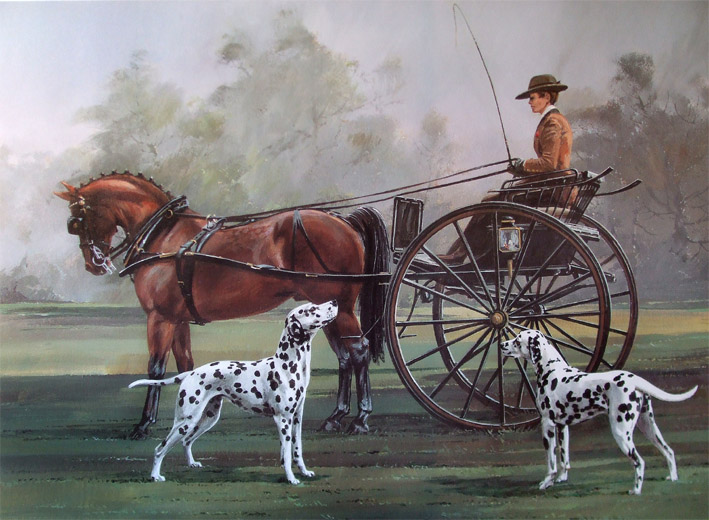
His involvement extended beyond hounds. The report documents a male coach dog purchased in 1787 to breed with Madame Moose, at Martha Washington’s request. Coach dogs accompanied horse-drawn carriages, often running alongside the horses. Mount Vernon’s researchers believe these were Dalmatians, although that breed name came into use later.
The report also reproduces Washington’s December 4, 1796 instructions to Mount Vernon manager William Pearce about terriers. He directed that the female be confined when she came into heat and that “no other than the male Tarrier” be allowed to mate with her.
These are deliberate breeding decisions. They support Washington’s contribution to developing the American foxhound, without establishing that he announced a plan to invent a new breed by that name or produced a single identifiable “first” American foxhound.
Why chase a fox?
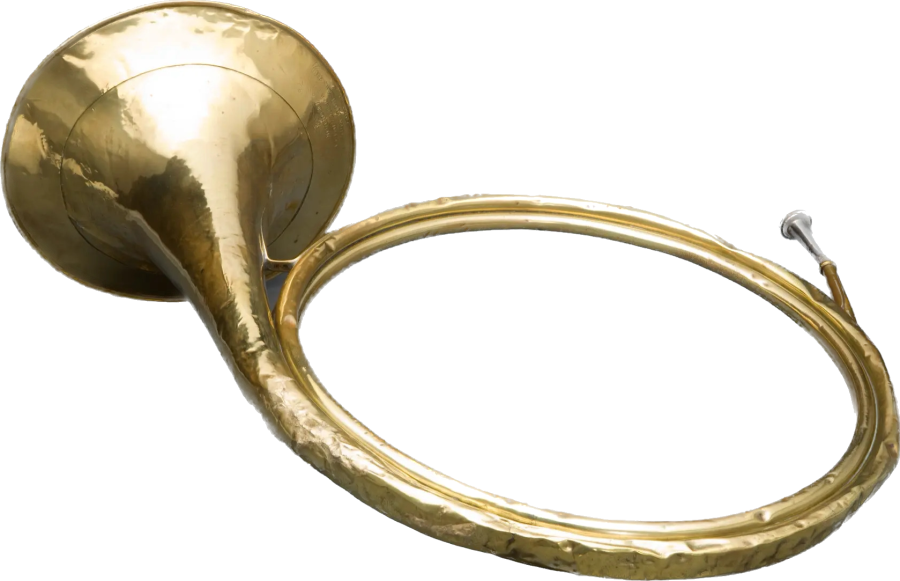
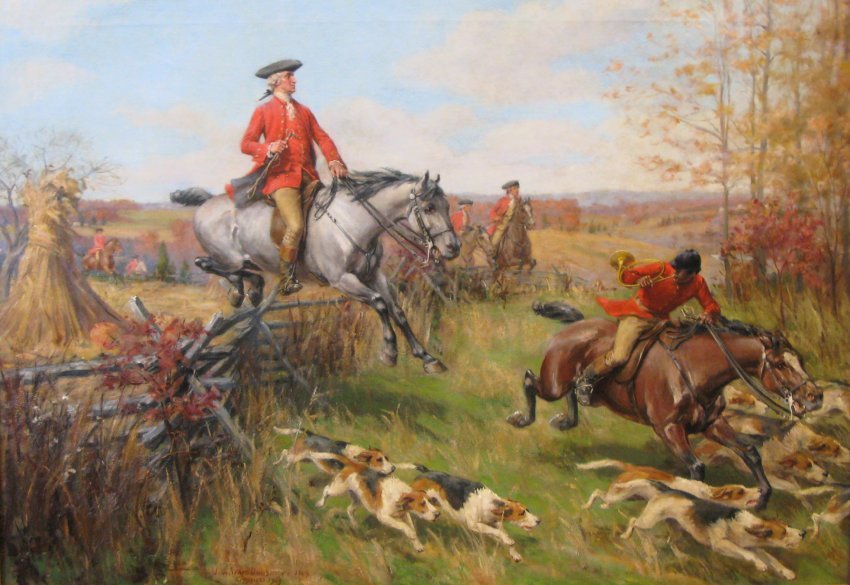
Foxhunting was a prominent sport among fashionable gentlemen and wealthy landowners in eighteenth-century Britain and colonial Virginia. Hounds followed a fox’s scent across the countryside, with mounted riders following through fields, woods, streams and obstacles.
In a Mount Vernon interview about “Riding with George,” author Philip G. Smucker explains that Washington’s hunts often brought together the “upper crust of society.” A typical hunt, he says, “tested any man’s riding skills and athletic prowess.”
Smucker connects Washington’s youthful hunts with the Fairfax family to relationships that helped him advance. The field offered companionship and a chance to demonstrate skill before influential people.
Washington recorded the length of individual chases. Killing the fox was not always the outcome: in a December 1785 diary entry reproduced by Mount Vernon, he described a fox repeatedly sheltering in hollow trees before calling off the pack: “we took the Dogs off, and came home to Dinner.”
Organized mounted hunting remains an active equestrian sport in the United States and Canada, with the Masters of Foxhounds Association of North America serving as its governing body.
The French dogs had their own ideas
The imported hounds did not immediately excel.
On November 29, 1785, Washington took them hunting after breakfast with two dogs lent to him the previous day by “young Mr. Mason.” Mount Vernon’s researchers identify him as probably George Mason Jr., son of Washington’s neighbor at Gunston Hall.
Two French females and one borrowed dog pursued a fox reasonably well. Others showed less interest.
“The other French Dogs shewed but little disposition to follow,” Washington recorded.
His December 1 diary entry describes another scattered pack and a pursuit that faltered as the scent grew cold. Mount Vernon’s account notes improvement by December 12, when he recorded the French hounds “running constantly whilst the Scent was hot.”
Anyone whose dog has suddenly abandoned the plan can recognize something familiar in those entries.
The people behind the kennel
Washington’s breeding and hunting pursuits depended on work performed by people he enslaved.
In their response to The Zebra, Mount Vernon’s researchers said enslaved workers almost certainly fed the hounds and cleaned their kennel, while cautioning that clear evidence about daily care and training is limited.
Specific records bring some individuals into view. Washington’s step-grandson, George Washington Parke Custis, remembered William Lee, Washington’s enslaved valet and huntsman, riding a horse named Chinkling.
“Will had but one order, which was to keep with the hounds,” Custis recalled in his later “Recollections and Private Memoirs of Washington.” That passage also appears in The Zebra’s 2022 story about Lee and plans to memorialize him at Mount Vernon.
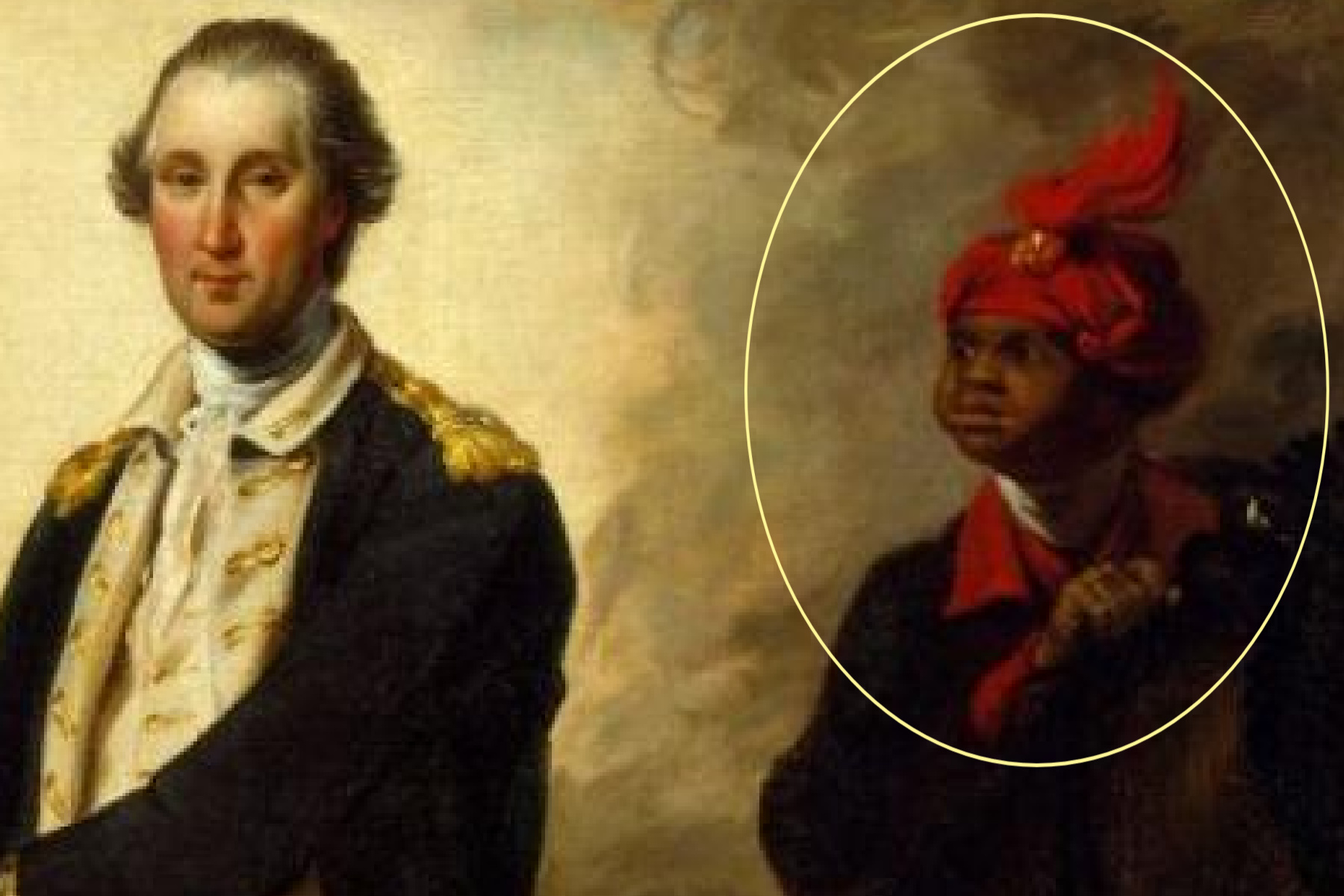
Washington’s terrier instructions name Frank, the enslaved butler, as responsible for carrying out his directions. “I hope Frank has taken particular care of the Tarriers,” he wrote.
Custis also remembered Thomas Davis hunting ducks for the Washingtons’ table with a dog named Gunner. These accounts concern different dogs and duties, but together show how much of the work behind Washington’s animals was performed by enslaved people.
Dogs in the house, too
The hounds had a separate kennel, but there were companion dogs in the household.
Mount Vernon’s report cites Washington’s February 26, 1768 diary entry identifying Chloe as a small female dog “in the House.” He was 36. It also describes Nelly Custis’s small dog, whose handwritten name can be read as Frish or Frisk.
The pack’s names had personality, too: Sweetlips, Truelove, Venus, Music, Countess, Mopsey, Ragman, Searcher and Vulcan appear in Mount Vernon’s list of hounds Washington owned or looked after.
Custis later remembered Washington inspecting his kennel morning and evening. His recollections, distinguished from Washington’s contemporary letters and diary, add another view of the attention the dogs received.
Meet George, a champion with a presidential name
That interest in hounds has a present-day ambassador with an impressive record.
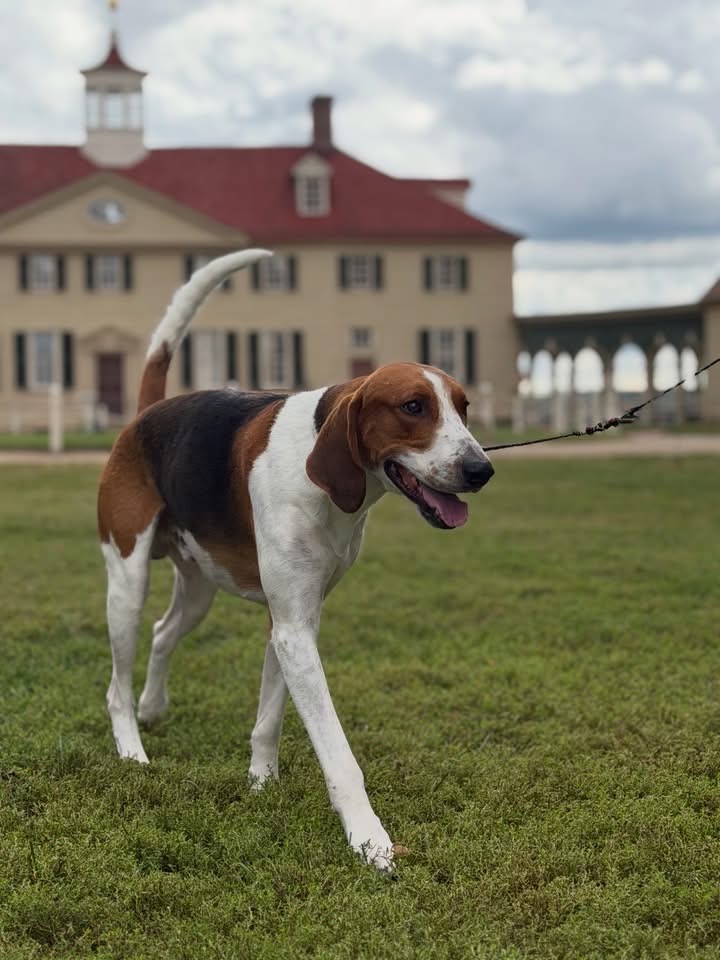
His everyday name is George. In the show ring, he is GCHG CH Lost Heritage Time Bandit at Kiarry—and he was named for Washington.
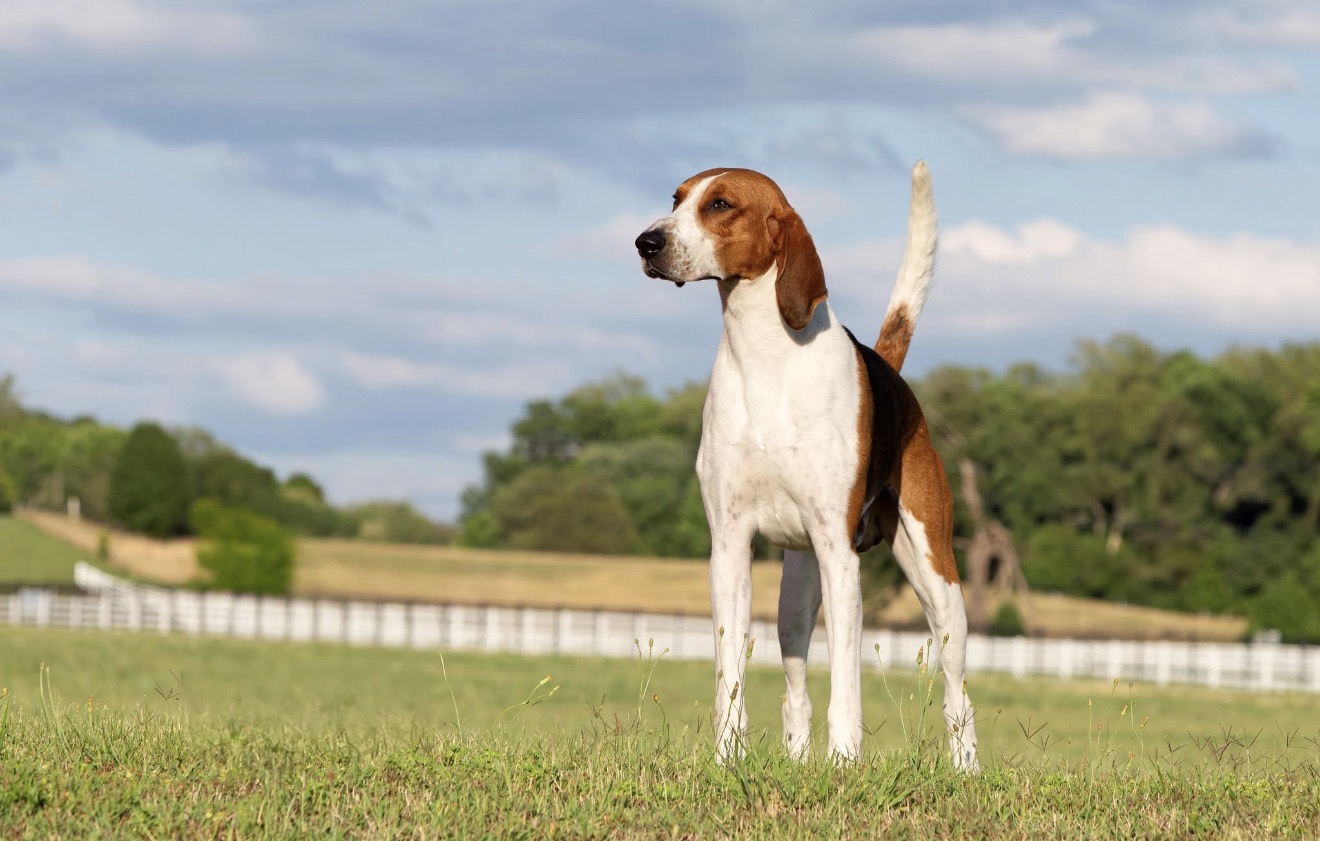
George won the Hound Group and finished Reserve Best in Show—runner-up overall—at the 2025 National Dog Show.
Purina Pro Club’s profile of George reported 11 career Best in Show victories, with his first coming at just 14 months old. It also records a Hound Group win at the 2025 Morris & Essex show.
“George has magnificent movement and, combined with his breed type and power, naturally captures attention,” Lisa Miller told Purina Pro Club.
On September 29, NBC4’s Tommy McFly posted photographs from an interview with George at Mount Vernon, the mansion providing a backdrop for the dog named after its owner.
“Big interview today with such a good boy!!!” McFly wrote. His post said George was preparing for the National Dog Show and promised viewers more from the dog and his handler, Tristen; it also tagged Tristen Miller.
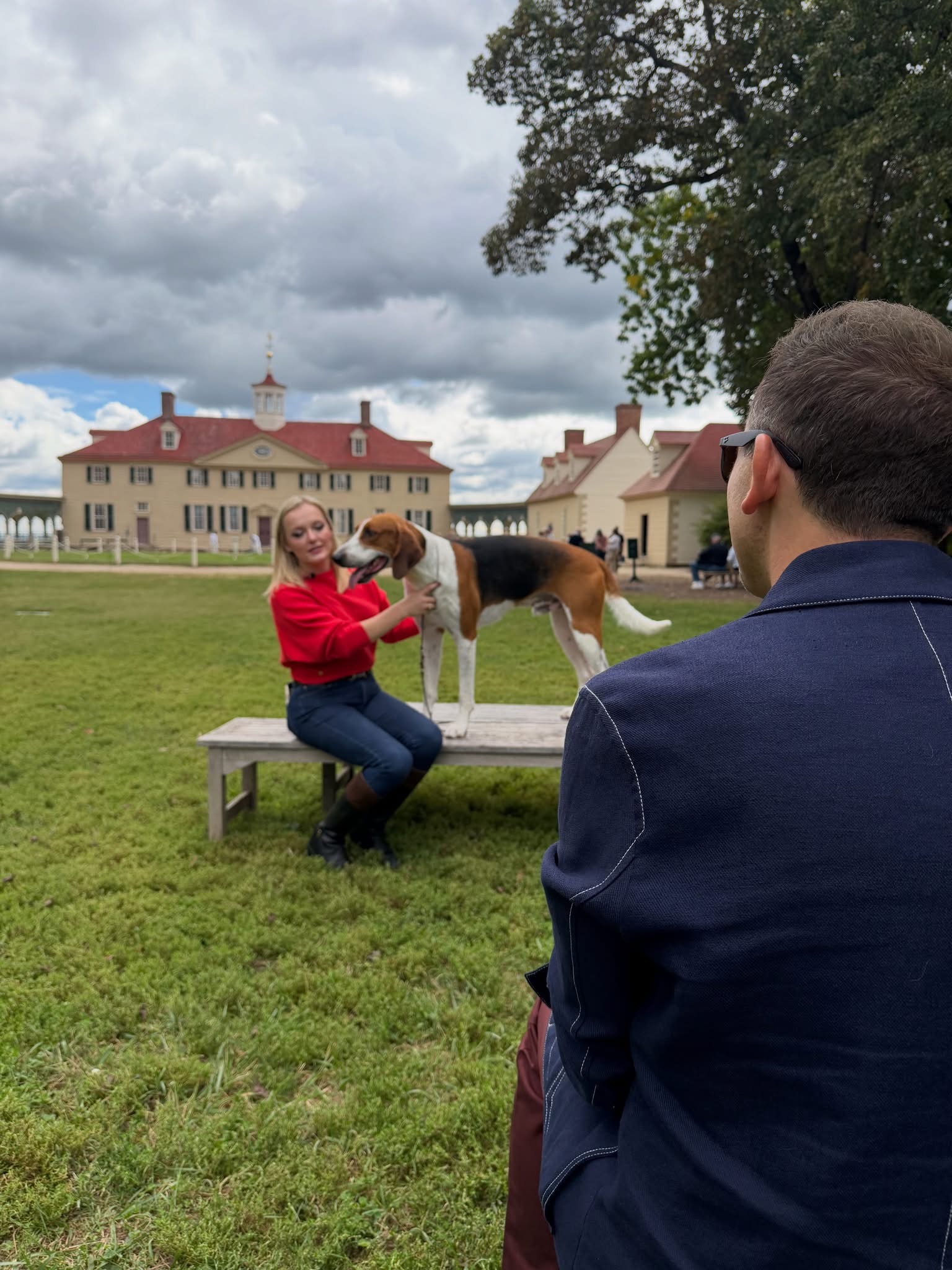
In her October 8 response to The Zebra, Almacy described George as the number-one-ranked American foxhound and confirmed his planned participation in this year’s show.
The 2026 show takes place November 14–15, with its television special airing on NBC on Thanksgiving Day.
From Washington’s kennel to the Thanksgiving show ring: keep an eye out for George.