Audrey Davis Spent 33 Years Uncovering Alexandria’s History. Along the Way, She Discovered Her Own.
From advising PBS’s Mercy Street to preserving Freedom House, Davis helped reshape Alexandria’s understanding of its African American history.
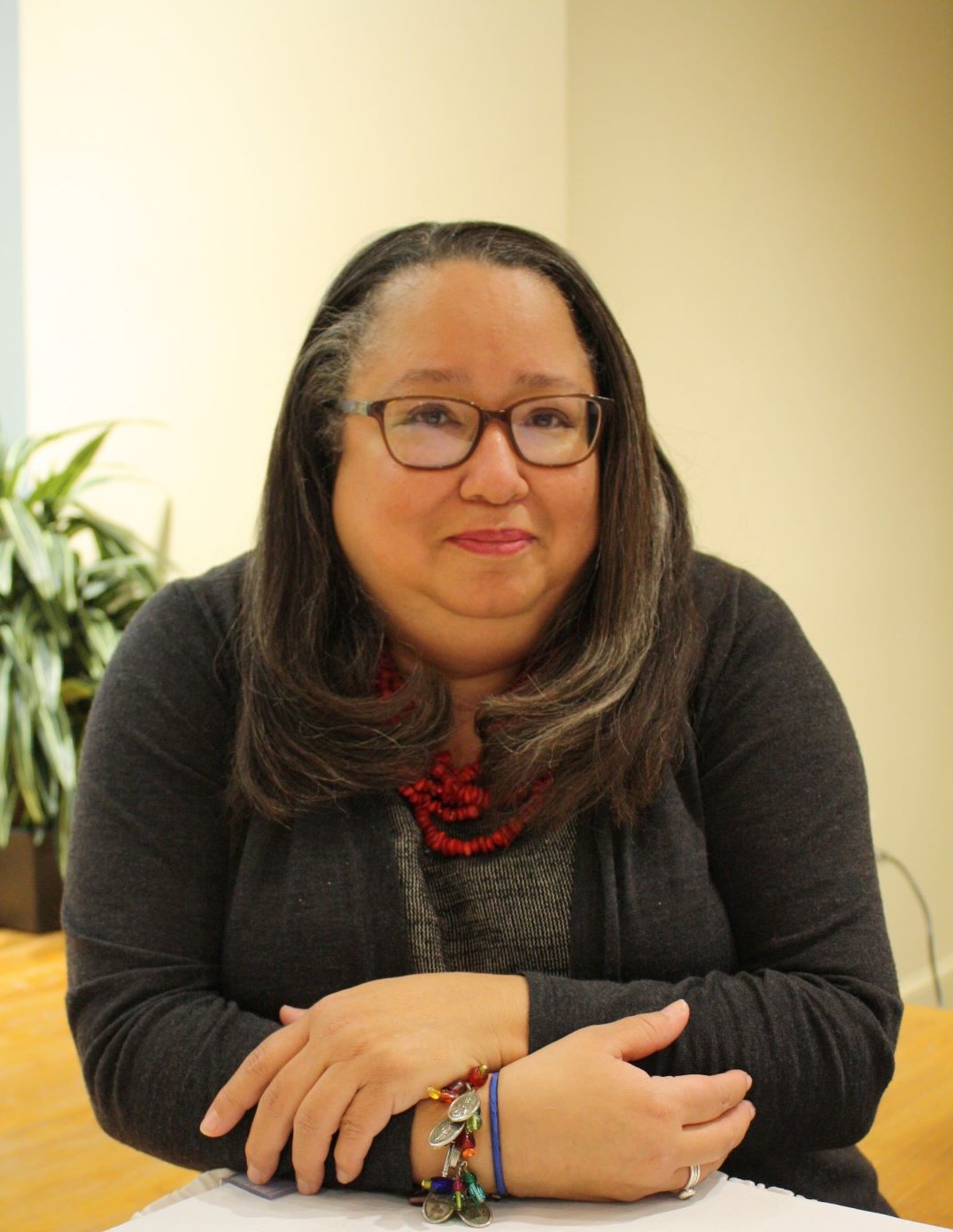
ALEXANDRIA, VA – Long before Alexandria acquired Freedom House, Audrey P. Davis was making the case for it in city staff meetings.
“I would always say in staff meetings that we should run the museum and work with the Urban League,” she recalled. “Later, I would say we need to acquire the site and expand its history.”
Davis, director of African American History for the Office of Historic Alexandria (OHA), will retire December 31, 2026, after 33 years of city service. Her career has encompassed the preservation of historic sites, the recovery of overlooked collections and the interpretation of Alexandria’s past for audiences far beyond the city.
“Audrey’s impact on the many facets of our organization and the City will be felt for a very long time,” said Gretchen Bulova, director of the Office of Historic Alexandria. “I want to especially thank Audrey for her leadership and support of the Freedom House Museum acquisition and the great work of the Alexandria Community Remembrance Project. Her dedication to preserving and sharing Alexandria’s African American history has made an immeasurable contribution to our community.”
Bringing Alexandria’s history to national television
In January 2016, PBS premiered Mercy Street, a Civil War drama set in Union-occupied Alexandria. Filmed in Richmond and Petersburg, the series drew on the expertise of a team of historical advisers headed by Civil War historian James McPherson. Davis, then director of the Alexandria Black History Museum, was among them.
Producer Lisa Wolfinger of Lone Wolf Productions had approached Davis to explore the museum’s resources. Davis worked with writers and producers on storylines involving African American experiences, particularly those of enslaved people who sought refuge behind Union lines.
In a 2016 interview with The Zebra’s Kris Gilbertson, Davis emphasized the importance of portraying African Americans as active participants in their own emancipation.
“That’s what a lot of African Americans want told in Mercy Street, that African Americans were not passive,” she said. “These were thousands of African Americans who took freedom into their own hands, risking life and limb to get someplace where it was safe so they could be free.”
Three decades of preservation
Davis joined the Office of Historic Alexandria in 1993 as a part-time curator at the Alexandria Black History Museum. She became assistant director in 2003 and director in 2014. In 2023, she was appointed to lead the newly established African American History Division.
Her work included the preservation and digitization of African American collections through a grant from the Institute of Museum and Library Services, including the A. Moss Kendrix Collection, which contains more than 900 photographs associated with the pioneering public relations professional.
She also helped preserve photographs and artwork documenting the Black Lives Matter movement and advanced the Alexandria Community Remembrance Project, which examines the city’s history of racial violence.
Davis contributed to African Americans of Alexandria, Virginia: Beacons of Light in the 20th Century, which profiles 63 African Americans who helped shape the city between 1920 and 1965. She edited African American Emancipation in an Occupied City, examining the experiences of formerly enslaved and self-emancipated people who sought refuge in Alexandria during the Civil War.
Giving Freedom House a new chapter
Of the many accomplishments of her career, Davis takes particular pride in being an early advocate for OHA to acquire Freedom House at 1315 Duke Street, once part of a major domestic slave-trading operation.

The acquisition presented an opportunity to examine more fully Alexandria’s place in the domestic slave trade and illuminate the lives of those who passed through the site. Davis helped advance that work, including the museum’s reopening in 2022. Her work there was also featured in Preservation Magazine.
“Audrey Davis is leaving a legacy through her important work that will live on for future generations of Alexandrians,” said City Manager Jim Parajon.
A history of her own
For all the institutional milestones of her career, Davis speaks with particular affection about her work on the Contrabands and Freedmen Cemetery Memorial, dedicated in 2014. The memorial honors more than 1,700 African Americans who sought refuge in Alexandria during the Civil War and were buried at the site.
“My favorite part of Alexandria history was working on the contrabands and freedmen cemetery memorial,” she said. “It was at the same time I was learning about my own contraband history.”

Her great-great-grandfather, William Roscoe Davis, was born into slavery near Norfolk. In her 2016 interview, Davis described his connection to Fort Monroe and the early history of self-emancipation during the Civil War. His life is documented in Encyclopedia Virginia.
As Davis worked to recover the history of African Americans who sought freedom in Alexandria, she was uncovering her own family’s place in that larger American story.
Retirement, Davis said, does not mean stepping away from the community. “I still want to stay active with volunteer work.”
Her own research into her family’s history remains unpublished.
But the words of William Roscoe Davis, she noted, are inscribed on a wall at the Library of Virginia in Richmond:
“Let us get wisdom. That is all we need. If we have that we are made for time and eternity.”


