2,200 Lives, One Cemetery: Douglass Preservation Heroes Honored
Two Alexandria groups received the 2026 Brenman Archaeology Award for protecting Douglass Memorial Cemetery, where descendants are restoring gravestones and reclaiming family history.

ALEXANDRIA, VA – When Stephanie Johnson accepted Alexandria’s 2026 Bernard “Ben” Brenman Archaeology in Alexandria Award, she saw an opportunity to speak for generations who could no longer speak for themselves.
“As I stood before everyone and accepted the Ben Brenman Award on behalf of the stakeholders and descendants, I felt truly honored to be a voice for those who can no longer speak for themselves,” Johnson told The Zebra in a statement. “I wanted everyone to know that we care, and that Alexandria cares.”
The Friends of Frederick Douglass Memorial Cemetery and the Social Responsibility Group were recognized at the Oct. 13 City Council meeting for their preservation work. Mayor Alyia Gaskins presented the award, and Councilman John Chapman read the proclamation. Stephanie Johnson accepted for the Friends; Steven L. Nelson accepted for the Social Responsibility Group.
Restoring dignity to a historic resting place
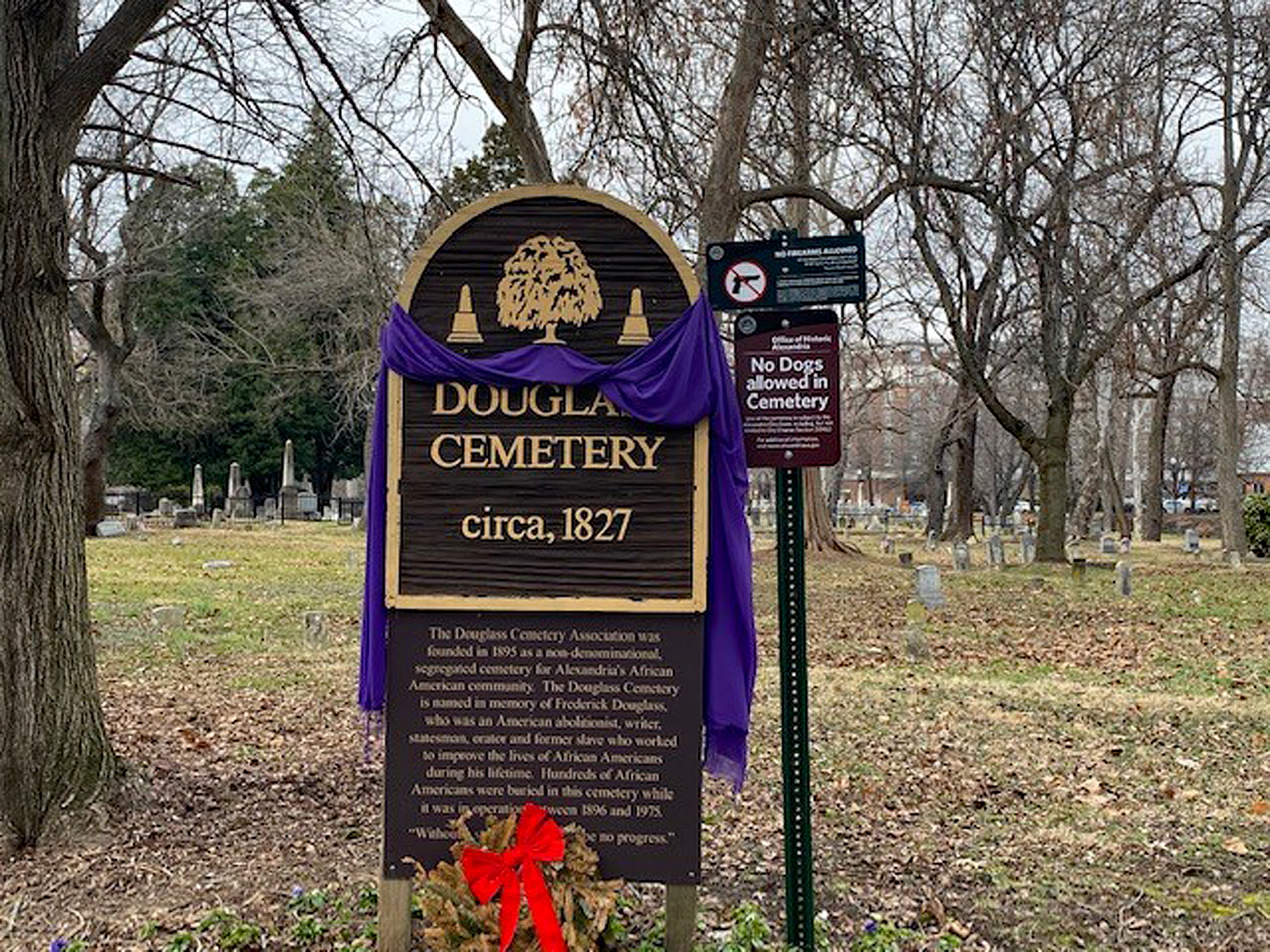
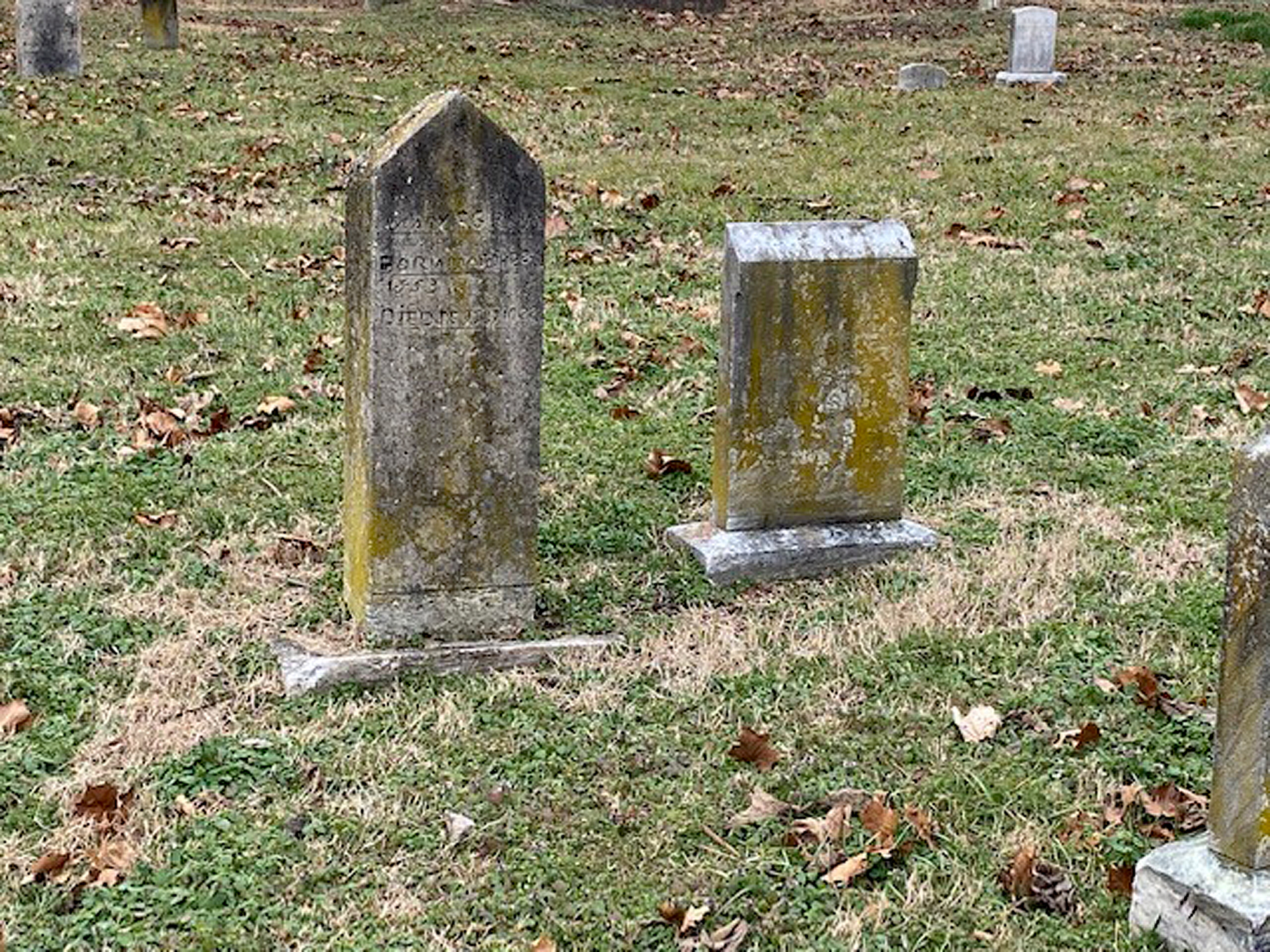
Founded in 1895 at 1421 Wilkes Street, Douglass Memorial Cemetery was a segregated, nondenominational African American cemetery named for abolitionist Frederick Douglass. More than 2,200 Alexandrians are believed to be buried there, although fewer than 700 grave markers remain visible.
“Receiving the Ben Brenman Award means having our buried ancestors getting their due and honored recognition,” Nelson said. “Preserving this historical cemetery gives family members, stakeholders, and friends of Douglass a place to visit and cherish for many years to come.”
Stephanie Johnson credited her brother, Michael Johnson, with leading the restoration effort and drawing attention to the cemetery’s drainage and maintenance needs. She said descendants have worked closely with Alexandria Archaeology for eight years.
“When I visit Douglass Cemetery and look around, I no longer see a place filled only with sadness,” she said. “Instead, I feel joy and pride as I see the cemetery restored to the dignified condition it deserves.”
The city conducted archaeological testing in 2024 to help guide drainage improvements without disturbing burials. Eighteen high-priority gravestones were conserved that fall, followed by 26 additional markers in 2025. Descendants have also received training in proper gravestone care.
Michael Johnson said widening and replacing drainage pipes appears to have addressed the flooding problem so far, although the long-term results remain to be seen.
Preserving the stories behind the headstones
The effort to protect Douglass extends beyond its grounds. In March 2023, The Zebra reported on the Frederick Douglass Memorial Cemetery Oral History Initiative, a collaboration between the Alexandria Oral History Center and the Friends of Frederick Douglass Memorial Cemetery. The initiative was designed to document the lives of people buried there and the memories of their descendants, preserving family stories alongside the physical cemetery.
That earlier reporting also highlighted Michael Johnson’s years of advocacy and the involvement of Howard University interns Rachel Craddolph and Courtney Smith in the project’s early planning.
Family histories emerging from the cemetery
Michael Johnson said the descendants’ network has located approximately 137 descendants across the country. His own family illustrates why identifying graves and preserving records matters. His grandfather, his grandfather’s brother and his grandfather’s eldest son, Alfred Johnson, are buried at Douglass without surviving headstones, he said. His great-grandparents and another relative have marked graves. Johnson said his great-grandparents were born into slavery and lived to see freedom. He also recalled that his grandfather worked at a bottle factory on North Henry Street.
Johnson pointed to other descendants whose family histories connect the cemetery to the broader story of Black Alexandria. He identified Myron Contee’s relatives as early African American homeowners who owned multiple properties in the city, and said newly located descendant Yasmine Evans has Jasper and Wilson family connections to George Washington’s Mount Vernon plantation.
“For me Michael Johnson the award symbolizes what can be done if we all work together and it shows our city and the archaeological commission dedication to honoring all the historic city sites,” Johnson said in his written response to The Zebra.
What still needs to be done
Despite the progress, the descendants say their work is far from finished. They hope to raise funds to repair more headstones and improve the grounds, potentially adding fencing, a gazebo and a memorial honoring Frederick Douglass. These are aspirations, not completed improvements.
Stephanie Johnson said she hopes future grave markers will retain a traditional appearance consistent with the cemetery’s historic character. She also worries about visitors walking dogs on burial grounds and the potential for vandalism. Descendants have discussed possible security cameras as preservation continues.
Michael Johnson said he has contacted a great-great-grandson of Frederick Douglass about a possible future visit, although no visit has been confirmed.
“This is more than a restoration project: it honors our ancestors, preserves our history, and protects the legacy we will leave for future generations,” Stephanie Johnson said.
A broader historic recognition effort
The cemetery is part of the Wilkes Street Cemetery Complex, for which a nomination to the National Register of Historic Places is being prepared by Paula Whitacre with support from a Historical Alexandria Foundation grant. According to information provided to The Zebra by Alexandria Archaeology, the nomination is expected to be completed in May 2027. Completion of the nomination would not itself guarantee National Register listing.
The Alexandria Archaeological Commission established the Brenman Award in 2007 in honor of Bernard “Ben” Brenman, a founding commission member and longtime preservation advocate who chaired the commission for 21 years.
For the descendants and volunteers honored this year, the award recognizes an ongoing commitment to the people buried at Douglass — and to the generations still discovering their stories.


