

Have you heard about how helpful CBD can be for many medicinal problems but aren’t sure exactly what you could use CBD to help? Do you want to know more about CBD and how it can benefit you?
Cannabidiol (CBD) is a cannabis-derived compound that has become popular for its wide range of medical and therapeutic properties. CBD’s popularity grew as it became legal in many states, but also because it was not psychoactive like THC. This made CBD appealing to people who wanted the benefits of cannabis without feeling high or intoxicated.
Some research suggests that CBD can help with anxiety and depression, reduce inflammation, improve sleep quality, promote bone growth, and relieve pain. There are many other potential health benefits of taking CBD such as reducing cancer cells or slowing down the progression of Alzheimer’s disease. If you want to know more about it, here are 6 things you need to know about CBD.
There Are Many Ways to Consume It
There are many different things that one should know about CBD; what it is, how you should use it; and even how it can help you, but one of the first things that you should know is how you should be consuming it.
When it comes to CBD, even though it is not just standard marijuana, the ways that you consume it are very similar to that of marijuana. There are plenty of different ways to consume CBD depending on the kind of release that you want, how much you want to consume, and even if you want to inhale something or not.
Some of the most popular methods include edibles, vapes, and tinctures. However, there are also other consumption methods such as smoking the CBD flower or even using a dry herb vaporizer. According to DankStop, vaporizers allow you to smoke without any worry about your health, and if this sounds like something you could use take a look here. CBD also comes in a topical form that can be applied to the skin. Choosing the right consumption method is all about knowing what you want out of it.
It’s Great for Pain
One of the most common uses of CBD around the world is to help treat pain and reduce inflammation. This is especially true for those who suffer from chronic pain. Pain medication comes with a long list of side effects that can worsen after extended use and this is where CBD comes in.
CBD works in a very similar way to pain medication by attaching to the pain receptors and blocking the pain signal that you would feel. For those who struggle with chronic pain, or just pain in general and are looking for some relief, CBD is a great alternative.
Not to mention, it also helps greatly with reducing inflammation which can make the healing process much faster and can make you more comfortable.
It Doesn’t Have Intoxicating Effects
One of the most attractive features of CBD is the fact that it does not have any kind of intoxicating side effects. Many people associate marijuana with getting high and therefore think the same of CBD, but this is not the case at all.
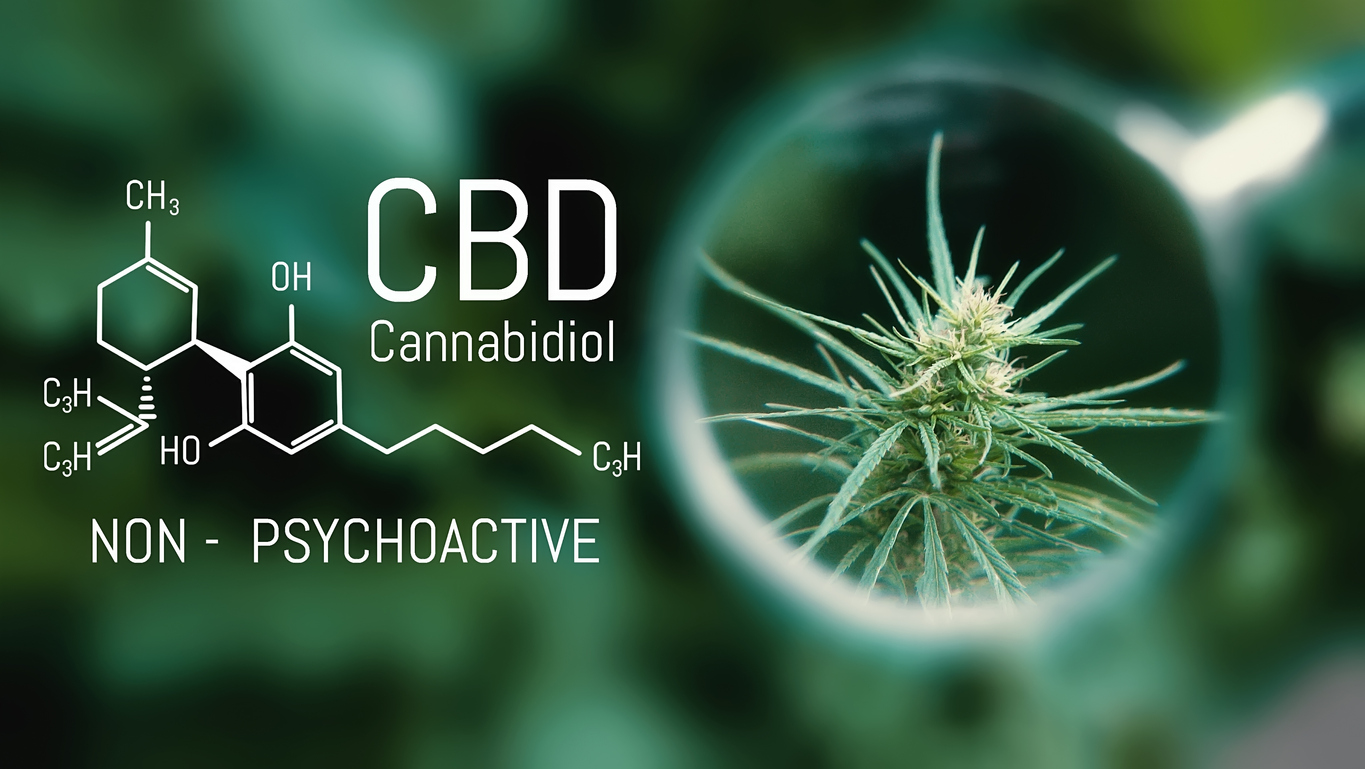
CBD is a non-psychoactive compound which means that you will be sober throughout consuming CBD. It will not get you high, and this also makes it great for those who use it medicinally as it allows for them to go on with their day as per usual.
It Helps with Anxiety and Depression
Helping with anxiety and depression is yet another reason why people choose to consume CBD. CBD is the calming of healing compounds within cannabis, and this is one of the many things that it can help.
Not only does CBD help you feel calm and relaxed, but it can also refocus your mind and make it easier for you to focus on the task at hand rather than spiraling out and having a crazy panic attack or anxiety attack.
It’s Completely Legal
In most countries around the world, the sale, possession, and consumption of CBD products are completely legal, and in a lot of these places, you don’t even have to buy these products from a dispensary.
This is because it is a non-intoxicating substance that cannot get you high. This in turn makes it seem as though it is more appropriate for sale to the general public.
It’s More Beneficial with THC
Last but not least, although CBD is a great product to use and can be very beneficial, something to note is that this compound works best when in conjunction with THC. Many places around the world will sell CBD products with traces of THC that are less than 1% and even this can be helpful.
However, just having good old weed is your best bet.





[…] 6 Things You Need to Know about CBD The Zebra […]
[…] 6 Things You Need to Know about CBD The Zebra […]
Lovely piece of content. An in-depth article on CBD really helps in understanding every aspect of it with great writing flow.