
Historic Meets High Style: $6.5M Landmark Property Lists in Old Town Alexandria
109 Duke Street is a masterful blend of 19th-century character and bold, luxurious modern design
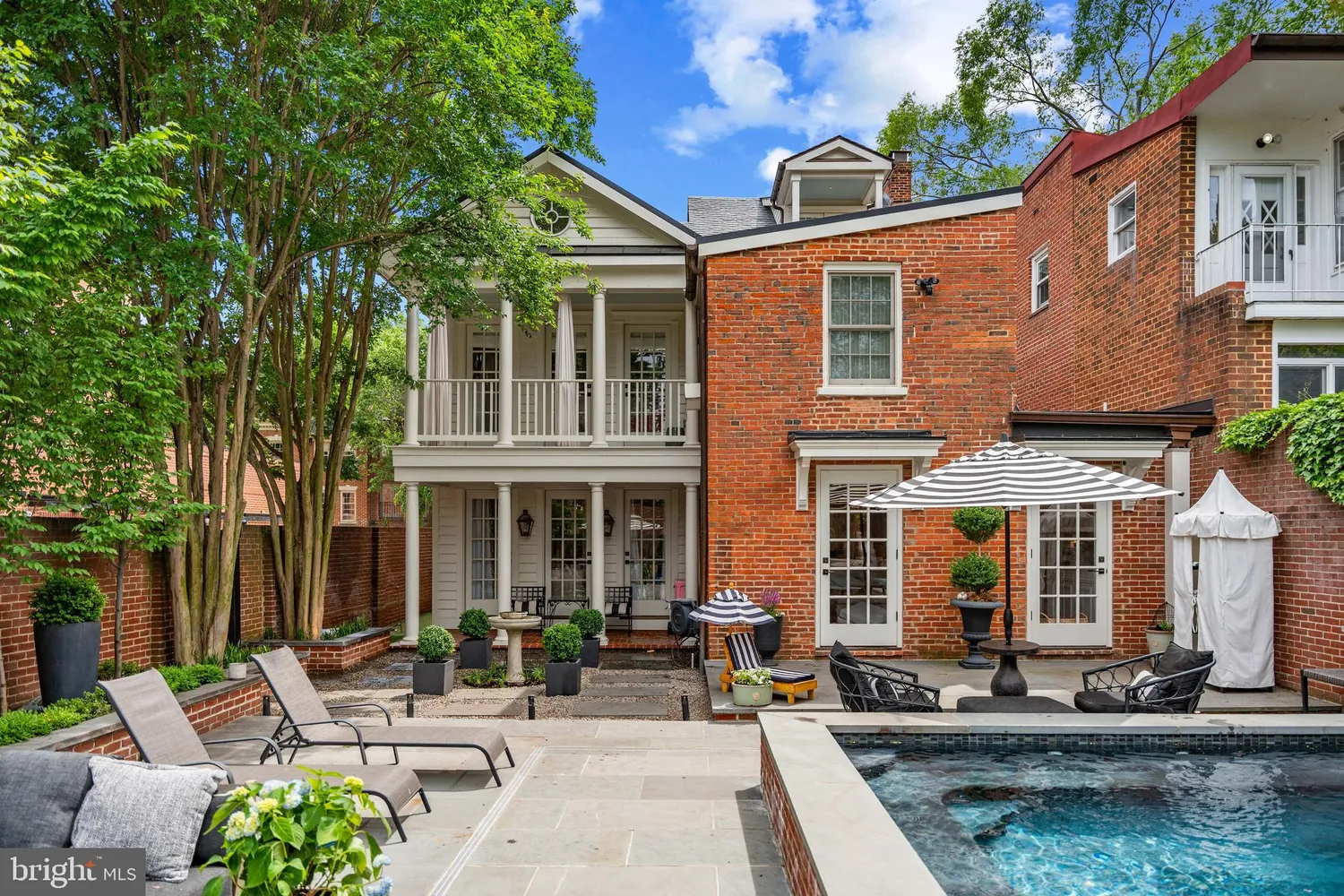
ALEXANDRIA, VA – A rare and remarkable piece of Alexandria’s architectural and cultural history has just hit the market. Priced at $6.5 million, the one-of-a-kind estate at 109 Duke Street is a masterful blend of 19th-century character and bold, luxurious modern design—perfectly positioned just one block from the Old Town waterfront.
Built in 1800 on land once owned by tavernkeeper Richard Arell, a personal friend of George Washington, the home began its life as a handcrafted trunk-making workshop for Ephraim Mills. Later, it was owned by Allen Voorhees, a world-renowned transportation planner credited with designing urban transit systems and pioneering predictive traffic models.

Today, this historic treasure has been reimagined into a show-stopping double-lot estate offering over 5,200 square feet of artfully curated living space, including:
- 5 bedrooms, 3.5 bathrooms
- 5 fireplaces
- 2 parking spaces
- Approved plans for a separate guest house with a studio, 1.5 baths, and a two-car garage
The interior is a feast for the senses with standout design elements such as:
- A hand-painted mural by artist Susan Harter
- Gucci designer wallpaper in the powder room
- Heated marble floors and original hardwood
- A chef’s kitchen with a quartz waterfall island, hidden Miele appliances, and a cozy lounge with gas fireplace
- A top-level skylit retreat and a basement gym with wet bar

Outside, the home stuns with a tropical backyard oasis rarely seen in Virginia: a year-round pool, fire features, putting green, and multiple private lounging areas—all just steps from King Street’s boutiques, dining, and riverfront charm.
Whether you’re a history buff, luxury home enthusiast, or simply someone who appreciates exceptional design, this is a once-in-a-generation opportunity to own a piece of Alexandria’s past—thoughtfully designed for the future.
🔗 View the full listing and photo gallery here: https://www.homesnap.com/VA/Alexandria/109-Duke-Street
For more information or to schedule a private showing, contact listing agent Stefanie Hurley, 732-859-7949.
TRENDING IN ALEXANDRIA: Eliana Curated, a Trendy Jewelry Shop, Opens on King Street


[…] Historic Meets High Style: $6.5M Landmark Property Lists in Old Town Alexandria […]