


By Michelle Smith Howard, President & CEO, Kids’ First Years
Alexandria, VA – If you think serving and returning are terms only used in tennis, think again! Serve-and-return interactions are simple back-and-forth exchanges between a child and a caring adult during everyday moments together. Small daily interactions can have a big impact on brain development in young children.
Ordinary activities like talking during meals, reading the same book for the hundredth time, singing songs in the car, or pointing out things around the neighborhood are literally shaping the architecture of the child’s brain.
“The repetition of reading the same book or singing the same song is helping your child learn and make connections,” said Dr. Christine Page-Lopez, Associate Medical Director with Neighborhood Health, an organization in the Kids’ First Years collective of community partners.
‘When you read the book together, it builds trust and creates a happy relationship – a foundation for healthy brain development.”
Studies show that 90 percent of physical brain growth happens during the first five years of a child’s life. Talking to your child during day-to-day routines of diapering, feeding, dressing, bathing, and getting ready for bed help build language, social and emotional skills, attention, and other neural connections needed for healthy brain development.
Examples of serve-and-return scenarios include:
The serve: Your baby makes a coo sound.
The return: You smile at your baby, imitate the sound back, and wait for the baby to make the sound again. Don’t be surprised if you hear some giggles at this fun game.
The serve: Your toddler points at a dog.
The return: You name it and describe it by saying “That’s a dog! It’s a little brown and white beagle and it’s so cute!” Give your toddler a chance to make a sound or gesture back to you.
The serve: Your baby reaches for a ball.
The return: You say, “Oh, do you want this red ball?” Then hand it to them and watch what they do next so you can react with a smile or clapping your hands.
The serve: Your child drops a spoon from the high chair for the fifth time during dinner.
The return: Instead of sighing or being annoyed, hand the spoon back with a smile and a comment about the color of the spoon or how it is used to eat cereal. Your child is learning about their world and what happens after an action.
The serve: Your baby makes sounds like “Ba ba ba”
The return: You respond as though you are having a conversation, “Ba ba! What are you telling me today?” Smile and let the baby “answer” even if it’s just with the same sounds.
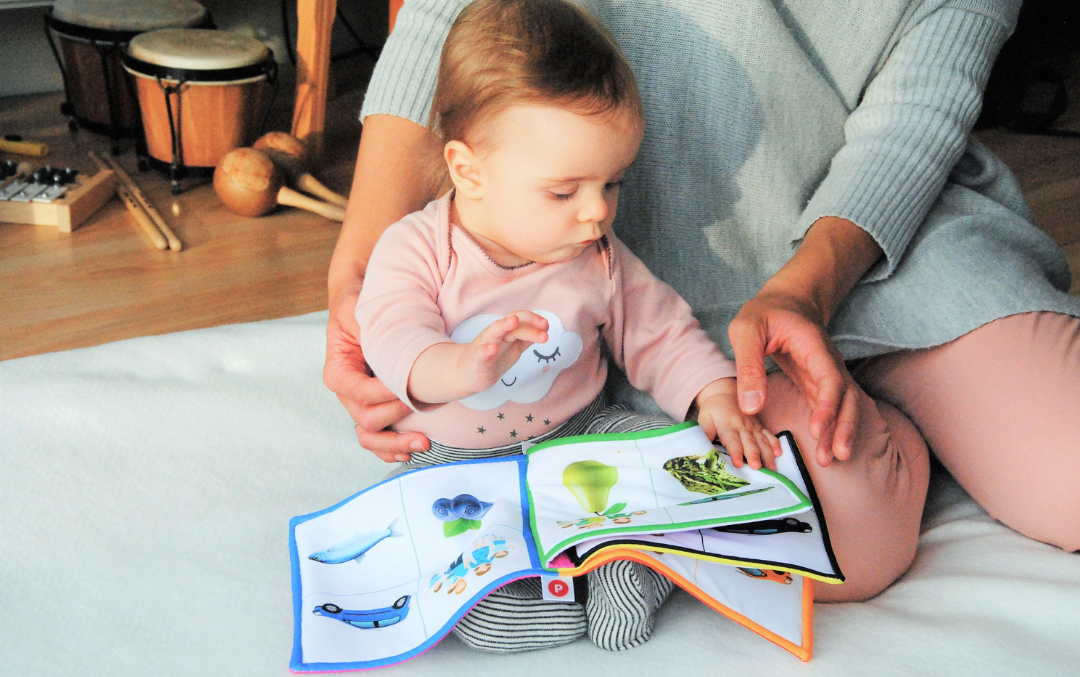
The key is the back-and-forth engagement: Notice what your child is communicating, respond warmly and then pause to give them a chance to respond again. This shows your child that you are giving your undivided attention and that you value what they are doing.
“Children don’t need expensive toys to grow healthy brains,” said Dr. Page-Lopez. “There’s no fee required to nurture loving relationships with caring adults and provide opportunities to play.”
All of the community partners in the Kids’ First Years collective agree that a highly effective tool to support brain development in the early years is as basic as The Basics – five simple yet powerful principles that parents and caregivers can easily do at home to help young children thrive: Maximize Love, Manage Stress; Talk, Sing and Point; Count, Group and Compare; Explore through Movement and Play; and Read and Discuss Stories.

To learn more about The Basics and other local resources to support early brain development for young children in Alexandria, visit https://kidsfirstyears.org/.