


Alexandria, VA – Introducing the second annual “40 Over 40” class of The Chamber ALX, honoring 40 accomplished Alexandria-area professionals whose leadership, innovation, mentorship, and community impact continue to shape the city.
The honorees represent a broad range of fields, including business, nonprofits, education, government, hospitality, finance, health care, and civic life. The program celebrates experienced professionals who continue to redefine success and make meaningful contributions throughout their careers.
The 2026 honorees will be recognized at the 40 Over 40 Awards Celebration on Aug. 13, presented by United Bank. The program follows the success of the Chamber’s “40 Under 40” awards, launched in 2016, and highlights the lasting influence of seasoned professionals and community builders across Alexandria.
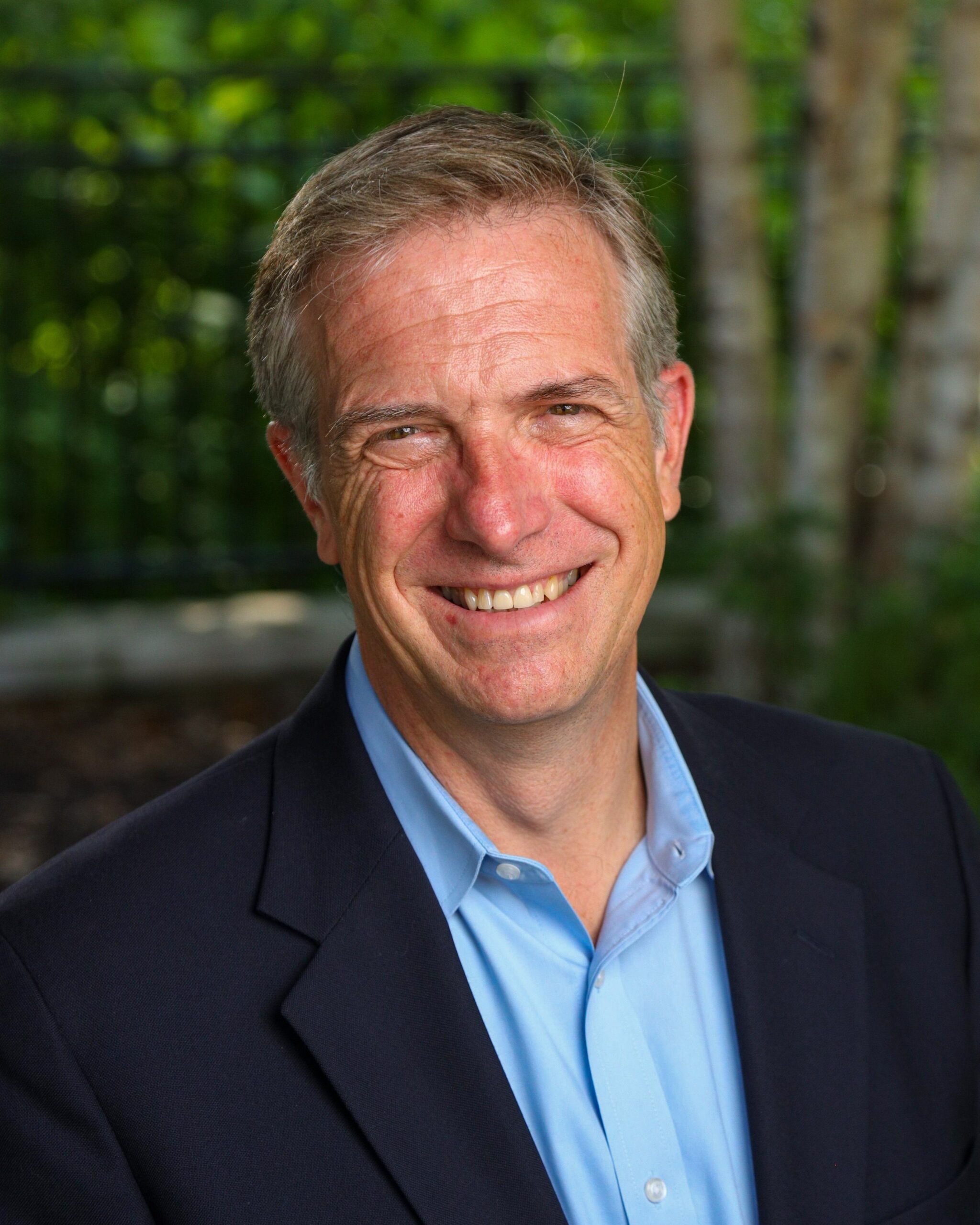
Scott Baytosh
Alexandria Country Day School
A professional educator for over 30 years, Scott has dedicated his career to building strong, forward-thinking, educational communities that prepare students to thrive in a diverse and complex world. As Head of Alexandria Country Day School since 2012, Scott has sought to ensure that students not only receive an outstanding education, but also build a foundation for lifelong service to others. Scott is President of the Virginia Association of Independent Schools and a Trustee of Emerging Scholars Academy. A graduate of Wesleyan University, he earned master’s degrees from Carnegie Mellon University and Johns Hopkins University.

Cathy K. Bradford
King’s Jewelry
As co-owner of King’s Jewelry for the past 35 years, Cathy has been a familiar face in Alexandria’s business community. A proud advocate for community causes, she volunteers her time and financial support to numerous charities and organizations. Cathy was born at Alexandria Hospital to immigrant parents who eventually became restaurant owners on King Street. After working in the family restaurant business, then in travel, she settled into the jewelry business, joining her husband, Brad. Together, they continue operating the family business, an Alexandria landmark for more than 65 years.
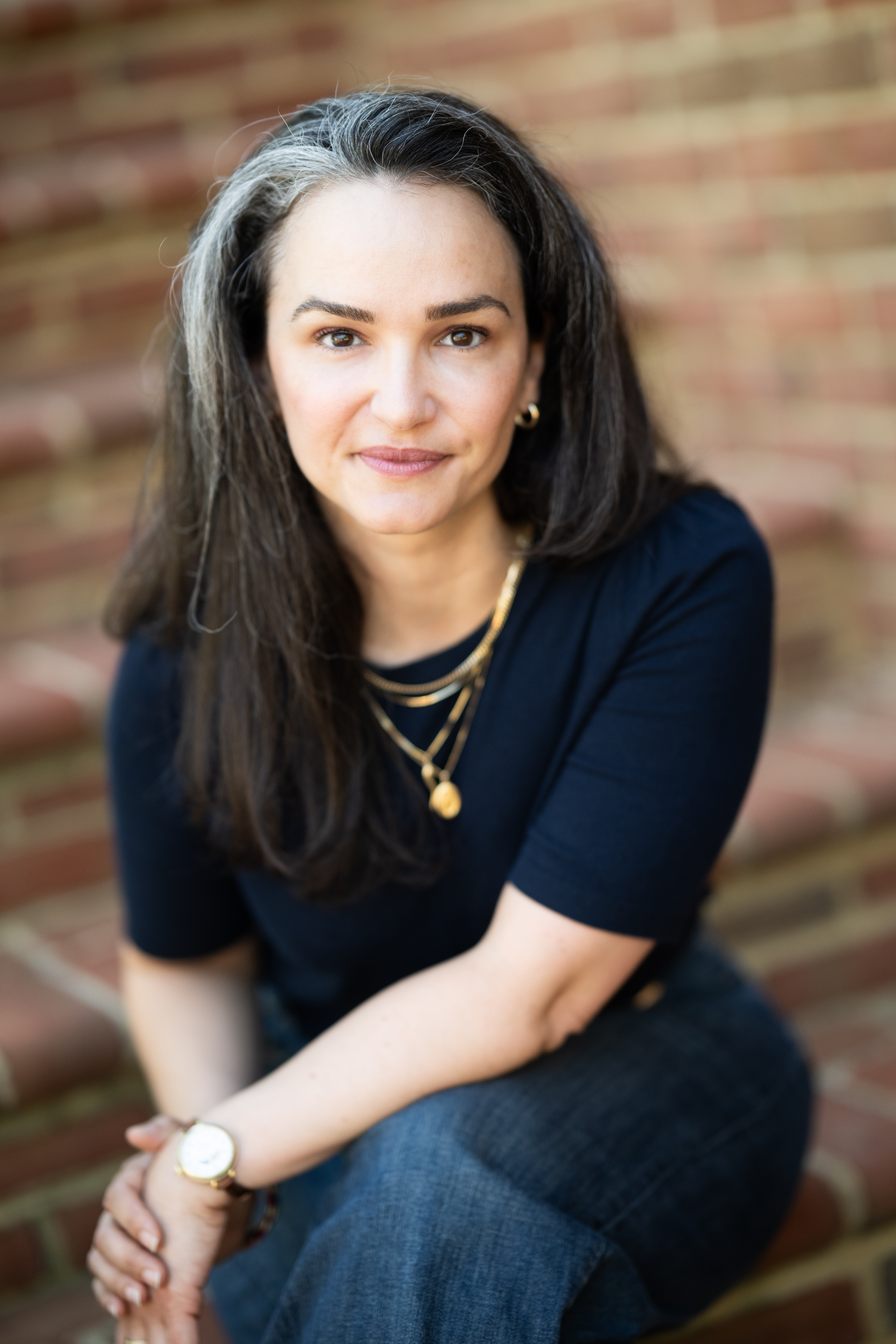
Cerissa Cafasso
Uber
Cerissa Cafasso has built her career around public service and civic engagement. As Vice Chair of the Alexandria Electoral Board, she helps supervise elections and voter registrations for the city she has called home since 2019. An Obama appointee at the U.S. Department of Labor, she served first as Counselor to the Solicitor and then as Counsel to the Deputy Secretary. She currently serves as Senior Counsel for Political Law at Uber, advising on lobbying, campaign finance, and ethics across all 50 states, D.C., and the federal government. A University of Virginia and Georgetown Law alumna, Cerissa is a proud Northern Virginia native who has put down roots in Del Ray.
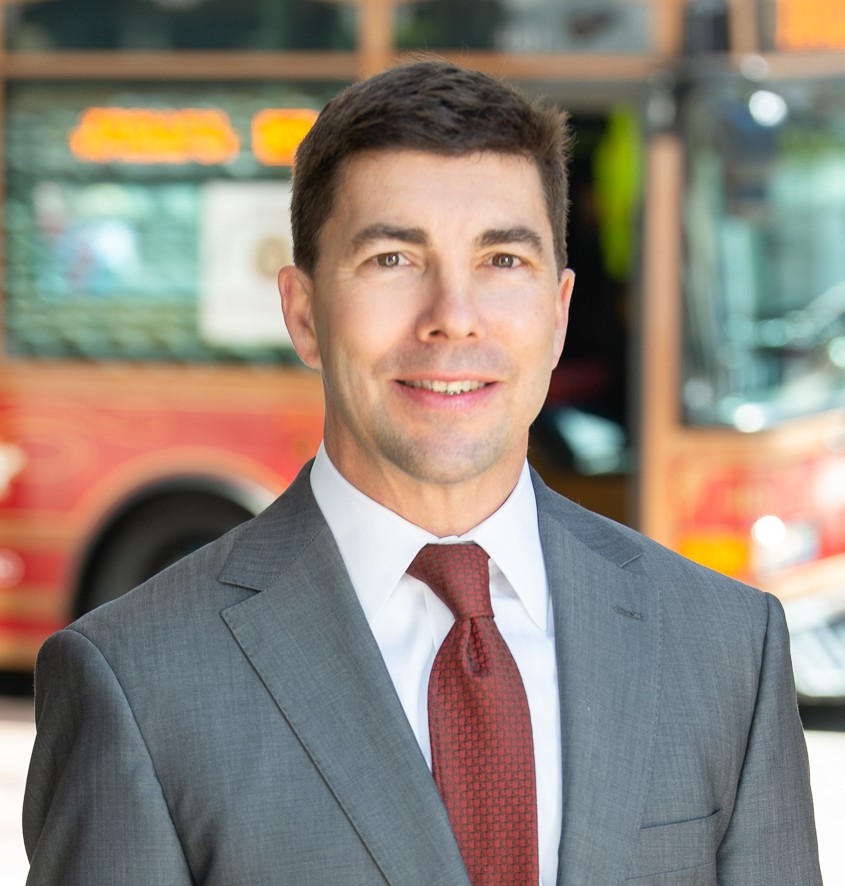
Tristan Caudron
RiverFront Wealth Advisors
As Managing Partner of RiverFront Wealth Advisors, Tristan Caudron brings extensive experience in long-term investment strategies and specialized knowledge in comprehensive investment planning. Tristan provides a wide range of financial services to clients and has been consistently recognized as a leader in the field. A D.C.-area native, Tristan earned bachelor’s degrees in economics and psychology and an MBA from Georgetown University. Tristan has served on many boards and committees including the Alexandria Seaport Foundation, Carderock Springs Elementary School Educational Foundation, Commonwealth Academy, the Campagna Center, and the Alexandria Chamber of Commerce.

Terri Cheshire
Center for Alexandria’s Children
Terri Cheshire is the Executive Director of the Center for Alexandria’s Children, where she leads the city’s Child Advocacy Center and coordinates a multi-disciplinary response to child abuse investigations. With more than 20 years of experience in child welfare, international development, and victim advocacy, she has dedicated her career to protecting vulnerable children and strengthening systems that support families in crisis. Terri also serves as co-chair of the city’s Human Trafficking Multidisciplinary Team. The city’s coordinated multidisciplinary response was recently recognized statewide when it was named Virginia’s MDT of the Year by the Child Advocacy Centers of Virginia.
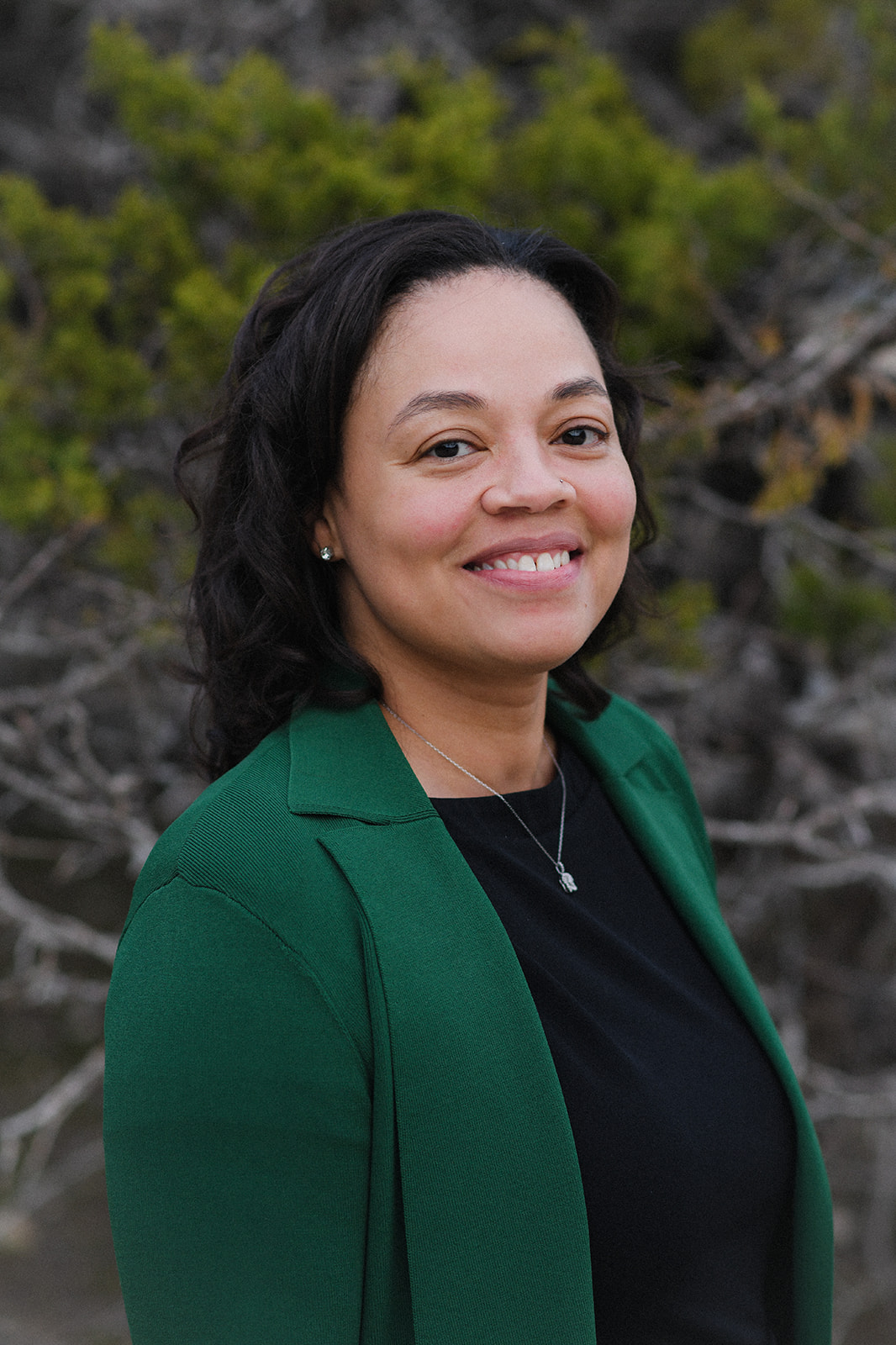
Emerald Christopher
City of Alexandria
Dr. Emerald Christopher is a nationally recognized equity strategist, scholar, and public sector leader. As Chief Race and Social Equity Officer for the City of Alexandria, she advances data-driven policy, organizational change, and community-centered governance. As a faculty member at Georgetown University, her teaching and research examine race, gender, and media through an intersectional lens. Dr. Christopher’s work bridges scholarship and practice, shaping equitable systems across government and higher education. A sought-after speaker and mentor, she is committed to cultivating inclusive leadership and empowering communities. Her work reflects a steadfast dedication to advancing equity, accountability, and transformative social impact.

Carlos Coutin
Revenue Streams LLC
Carlos Coutin is the Founder and CEO of Revenue Streams LLC, an Alexandria-based strategic advisory firm. With over 15 years of experience across luxury hospitality, fintech, healthcare, and creative technology, he serves as a Strategic Navigator and Asset Architect for mid-market CEOs. Carlos holds master’s degrees from ESIC Business and Marketing School and CESA, along with a CFP certification from Boston University. He specializes in transforming founder-dependent organizations into aligned, scalable assets. Beyond his professional work, Carlos is committed to “human flourishing,” mentoring local youth and supporting older adults in Alexandria.

Adepeju (Paige) Fawehinmi
United Bank
As Branch Manager at United Bank’s Duke Street location, Paige Fawehinmi acts as a financial architect, helping families and small businesses across Alexandria navigate complex monetary needs. Throughout her 30-year career, she has held various retail and commercial banking roles across multiple United Bank locations in Alexandria and at several regional financial institutions. Paige earned a bachelor’s degree in accounting from Strayer University. Outside of work, she is active in local business and community organizations, including the Alexandria Chamber of Commerce, and the Del Ray and West End Business Associations. She also currently serves on the board of Volunteer Alexandria.
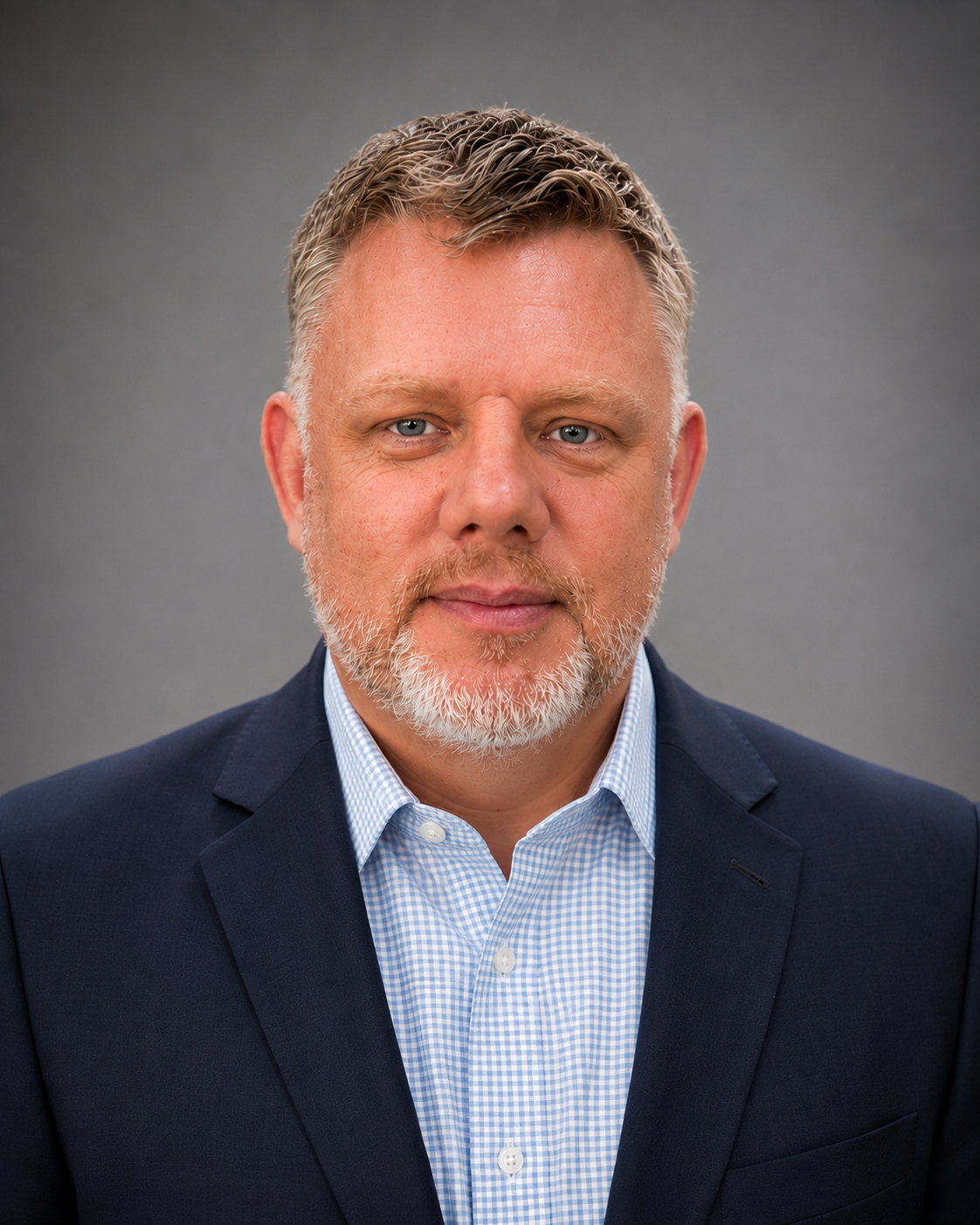
Don George
Envision Consulting
Don George is the Founder and CEO of Envision Consulting LLC, an Alexandria-based managed IT services firm founded in 2001. Over the past 25 years, Don has grown Envision into a trusted technology partner for nonprofits, trade associations, government contractors, and professional services firms across the D.C. region. A recognized leader in the managed services industry, Don has earned multiple MSP 501 awards, placing Envision among the top managed service providers in the world. He is an active member of the Alexandria Chamber of Commerce and supports the Alzheimer’s Association and Wounded Warrior Project. Don lives and works in Old Town Alexandria.

Angela Z. Green
Alexandria City Public Schools
For over 20 years, Angela Green has been a fierce advocate for the families of Alexandria City Public Schools. Her journey from classroom teacher to division leader has been fueled by a singular mission: ensuring every child is seen, safe, and supported. Beyond her professional roles, Angela is a grassroots advocate. As Chair of the Children, Youth, and Families Collaborative Commission and a longtime board member of The Scholarship Fund of Alexandria, she champions safety, mental health, and college access. Her heart remains in community-building, fostering unity and opportunity for every child.
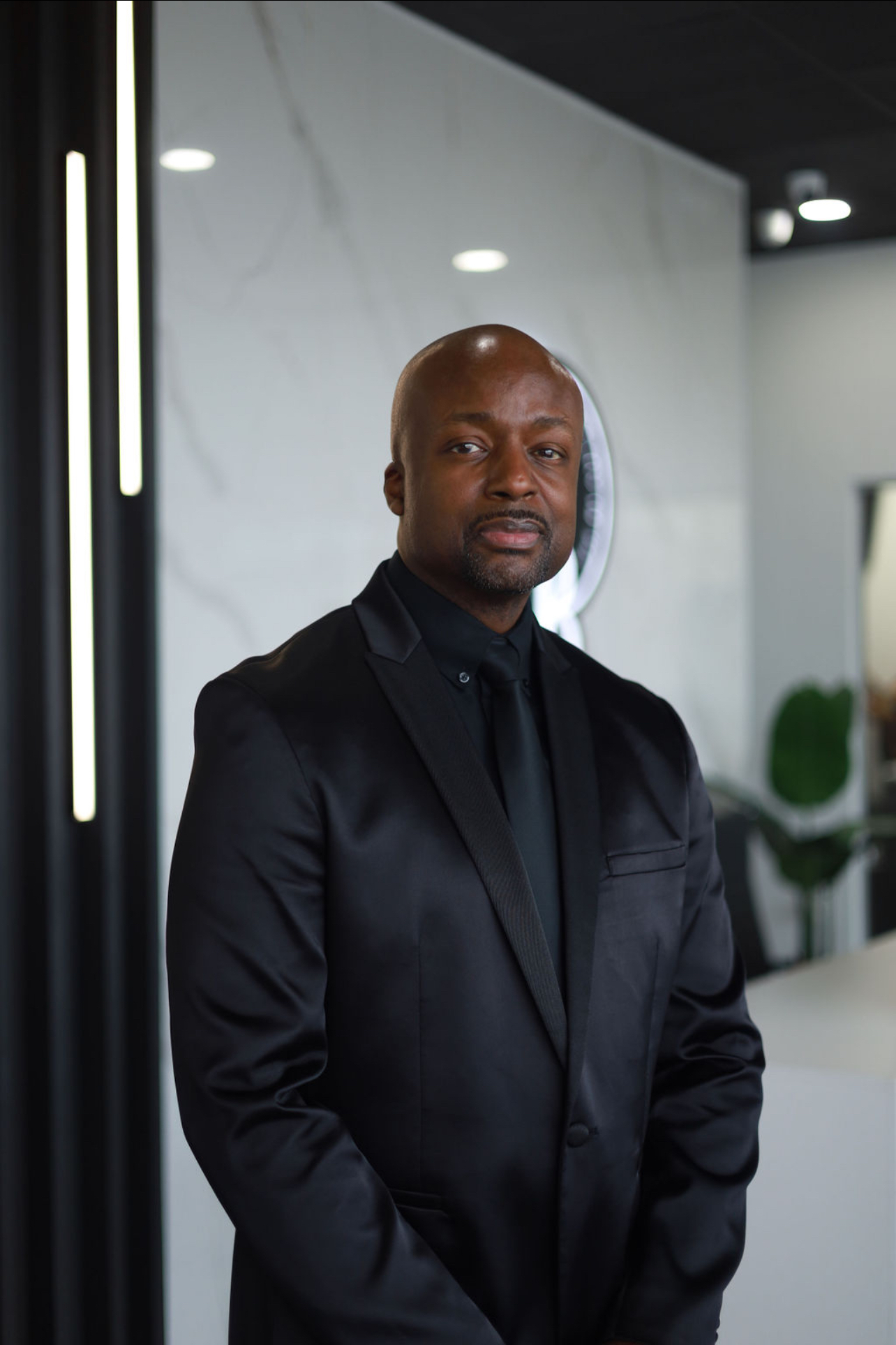
John Hall
The Ultimate Barber
John W. Hall is an accomplished entrepreneur, master barber, and community leader based in Alexandria. As founder of The Ultimate Barber brand, he has built multiple barbershops, a salon suite concept, and a nationally recognized men’s grooming line. With nearly four decades of experience, he has transformed barbering into a pathway for wealth creation, mentoring professionals to achieve financial independence. Hall is also a real estate investor and business strategist committed to economic empowerment. Through coaching, speaking, and philanthropy, he continues to inspire others to elevate their mindset, build sustainable businesses, and leave a lasting legacy in their communities.

Stella Hanly
Animal Welfare League of Alexandria
Stella began her career providing consulting support in the supply chain industry for more than a decade before joining the Aspen Institute in her first nonprofit role. Following her passion for animals, she became Director of Community Engagement at the Washington Humane Society in 2013. She joined the Animal Welfare League of Alexandria as Director of Community Programs in 2016, was promoted to COO in 2018, and became CEO in 2019. Stella holds an MPA from George Mason University, a BSc in Mathematics from Queen’s University Belfast, and additional professional certifications.

Angela Regina Harris
IMperfeKtlymade Foundation
Angela Harris is a passionate advocate and leader in the visually impaired community, dedicated to empowering individuals to embrace their full potential. As the founder of The IMperfeKtlymade Foundation, she has created platforms that promote confidence, inclusion, and self-worth for people navigating vision loss and other life challenges. After losing her sight just months into her marriage, Angela transformed her personal journey into a mission-driven movement that uplifts others through events, storytelling, and community engagement. Her work continues to inspire resilience, redefine beauty, and create meaningful opportunities for individuals to thrive without limitations.

Edith Hawkins
Campagna Center
Edith Hawkins is President and CEO of Campagna Center, one of Alexandria’s oldest and largest community-based nonprofits serving children and families through education, youth development, and family support programs. She provides strategic leadership, advances financial sustainability, and strengthens partnerships across government, schools, businesses, and nonprofits. Previously Campagna Center’s first Chief Program Officer, she led more than 200 staff across more than 50 sites serving over 2,000 Alexandria residents annually. She later advised nonprofits as Principal of Strategic Catalyst Consulting and served as Executive Vice President at the Forum for Youth Investment. Edith holds a Master of Public Policy from Duke University and a B.A. from Rutgers University.

Elizabeth Hoover
RiddleWise LLC
Elizabeth Riddle Hoover, Ph.D., is the founder of RiddleWise LLC and former Chief Technology Officer for Alexandria City Public Schools, where she served for 17 years as part of a 30-year career that began as a classroom teacher. A resident of Alexandria for 29 years, she helped guide the school division through significant technological transformation, including an equitable transition during the COVID-19 pandemic. Today, she advises organizations on responsible AI, cybersecurity, and leadership strategy while advancing AI literacy for Alexandria families.

Katherine Horrigan
Dance Academy of Virginia
Katherine Horrigan is the Founder and CEO of Dance Academy of Virginia, one of Northern Virginia’s leading dance institutions, and a former professional dancer with more than two decades of performance experience. After dancing with companies including Ailey II and Les Grands Ballets Canadiens de Montréal, she founded DAV in 2020 and has grown it into a trusted community serving more than 1,500 students. Known for her strong leadership and clear vision, she has built an environment that combines elite training with a supportive, family-centered approach. She also leads a nonprofit producing full-length performances, including The Nutcracker.
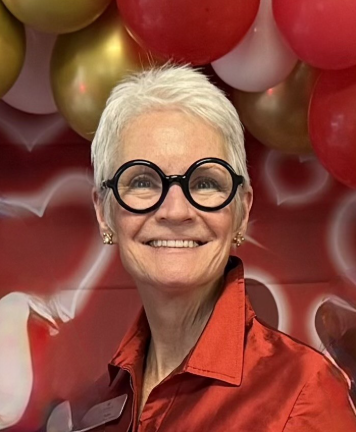
Jane Hughes
Woodbine & Alexandria Rehabilitation Centers
Over the past 30 years in Alexandria, Jane has built a career that began in newspaper advertising sales and led to her current role as Regional Director of Community Relations for Northern Virginia, representing Woodbine and Alexandria Rehabilitation & Healthcare Centers and two additional regional communities. Jane began attending Alexandria Chamber events in 1996, where she met many of her closest friends and mentors. She believes her career journey is uniquely Alexandrian and feels fortunate to be part of such a caring, kind, and supportive community.
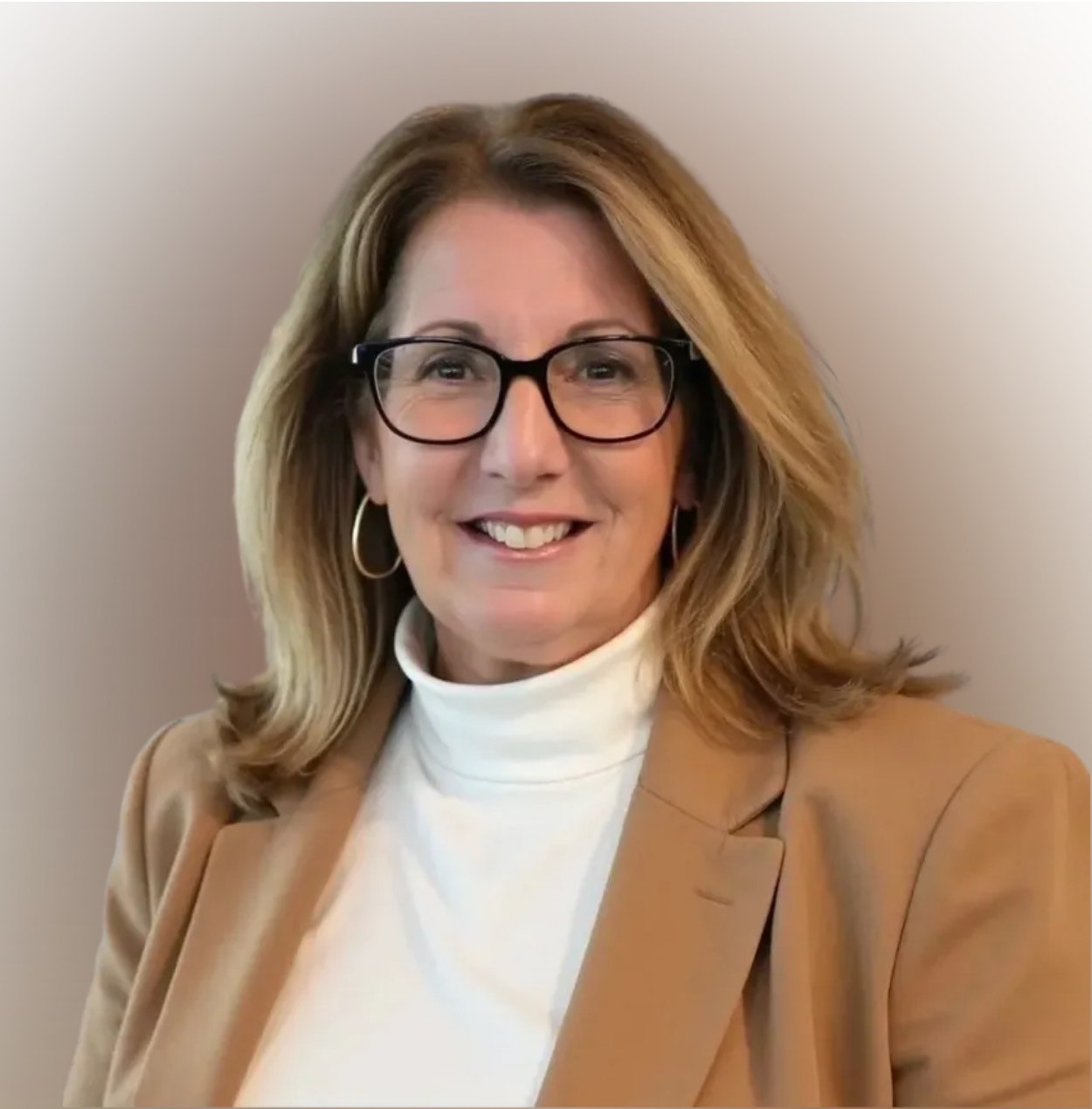
Amy B. Jackson
The Port City Star
During her distinguished service as Alexandria councilwoman and vice mayor, Amy Jackson consistently prioritized education, working families, housing, health and safety, public infrastructure, and equality for all. Her dedication also extended to advocacy for Alexandria’s schools, businesses, and nonprofit community. Combining her communications degree from Virginia Tech with two M.Ed. degrees from George Mason University, Amy continues to educate and inform the community. Today, as founder and publisher of The Port City Star, Alexandria’s local news source, this hometown leader continues to shine a spotlight on the city she loves.
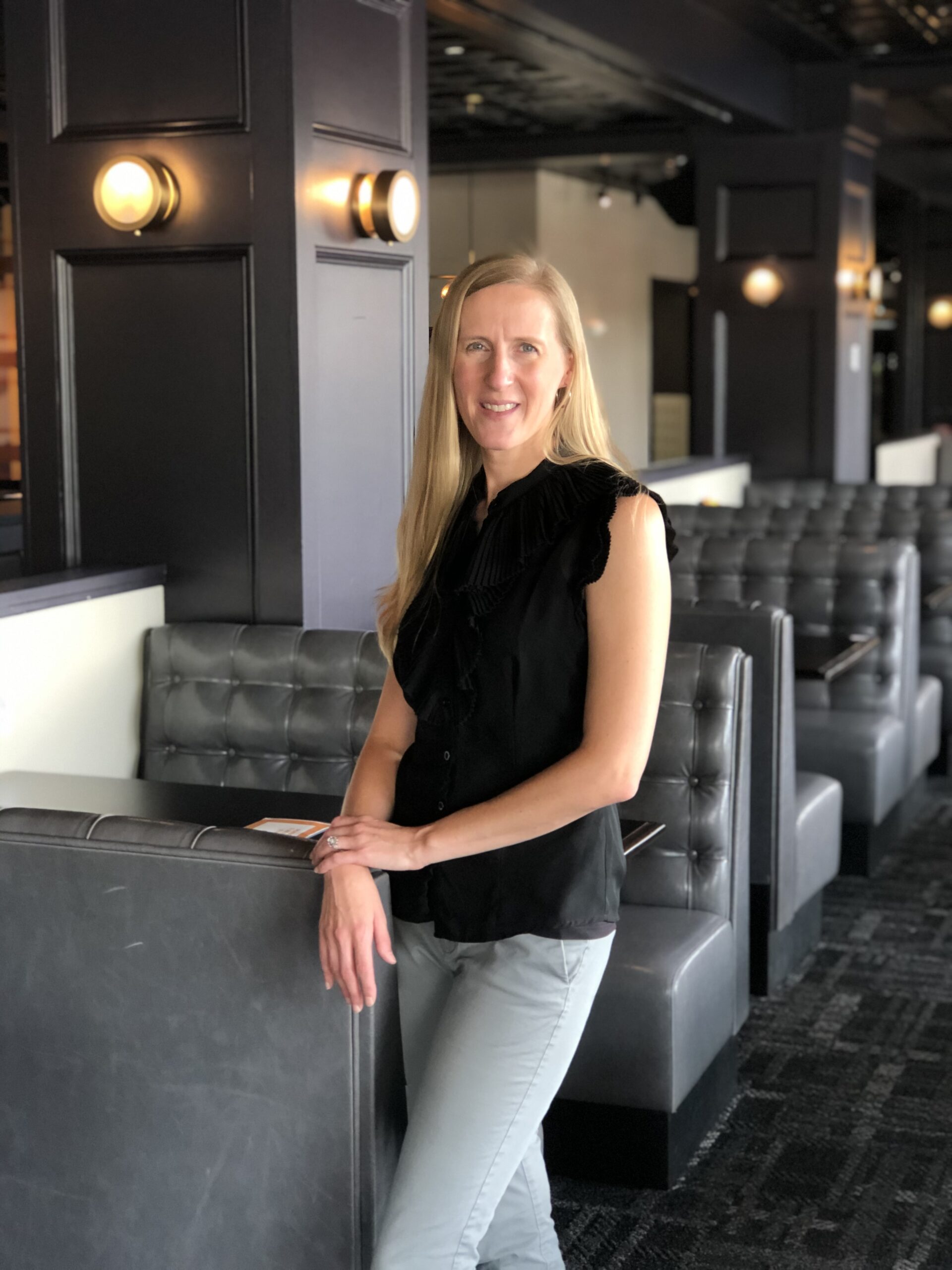
Emily Klassen
Alexandria Restaurant Partners
Emily Klassen loves to plan a great party! As Event Sales & Catering Director at Alexandria Restaurant Partners since 2013, she has helped local residents and organizations celebrate life’s milestones—from birthdays and weddings to retirements, promotions, and memorials—with exceptional cuisine and gracious hospitality. She began her career in interior design, bringing project management, creativity, and hospitality expertise to her role. Passionate about Alexandria, Emily strives to make event planning easy, creating meaningful experiences that bring people together and leave lasting impressions.
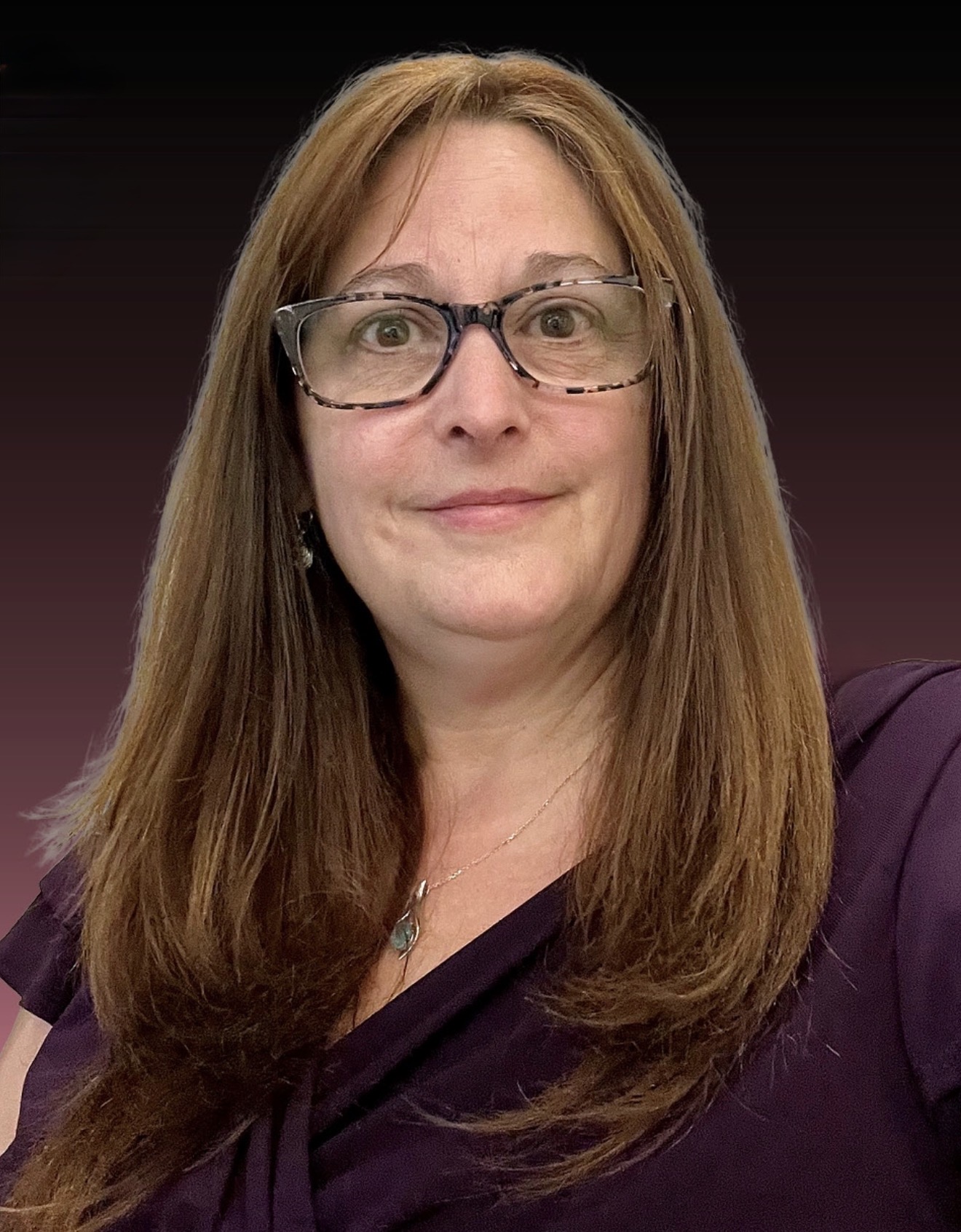
Heather D. Mansour
United States Senate Federal Credit Union
Heather Mansour is an innovative human capital executive with more than 20 years of leadership experience in the financial services and business process outsourcing industries. She currently leads People & Culture, Learning & Development, Talent Acquisition & Retention, Total Rewards, and Inclusion at the United States Senate Federal Credit Union, where the organization has earned multiple Best Workplace honors during her tenure. A frequent speaker and mentor, Heather has presented nationally on culture, employee engagement, and leadership development. She also mentors students through the Alexandria Chamber of Commerce’s CareerCon program.
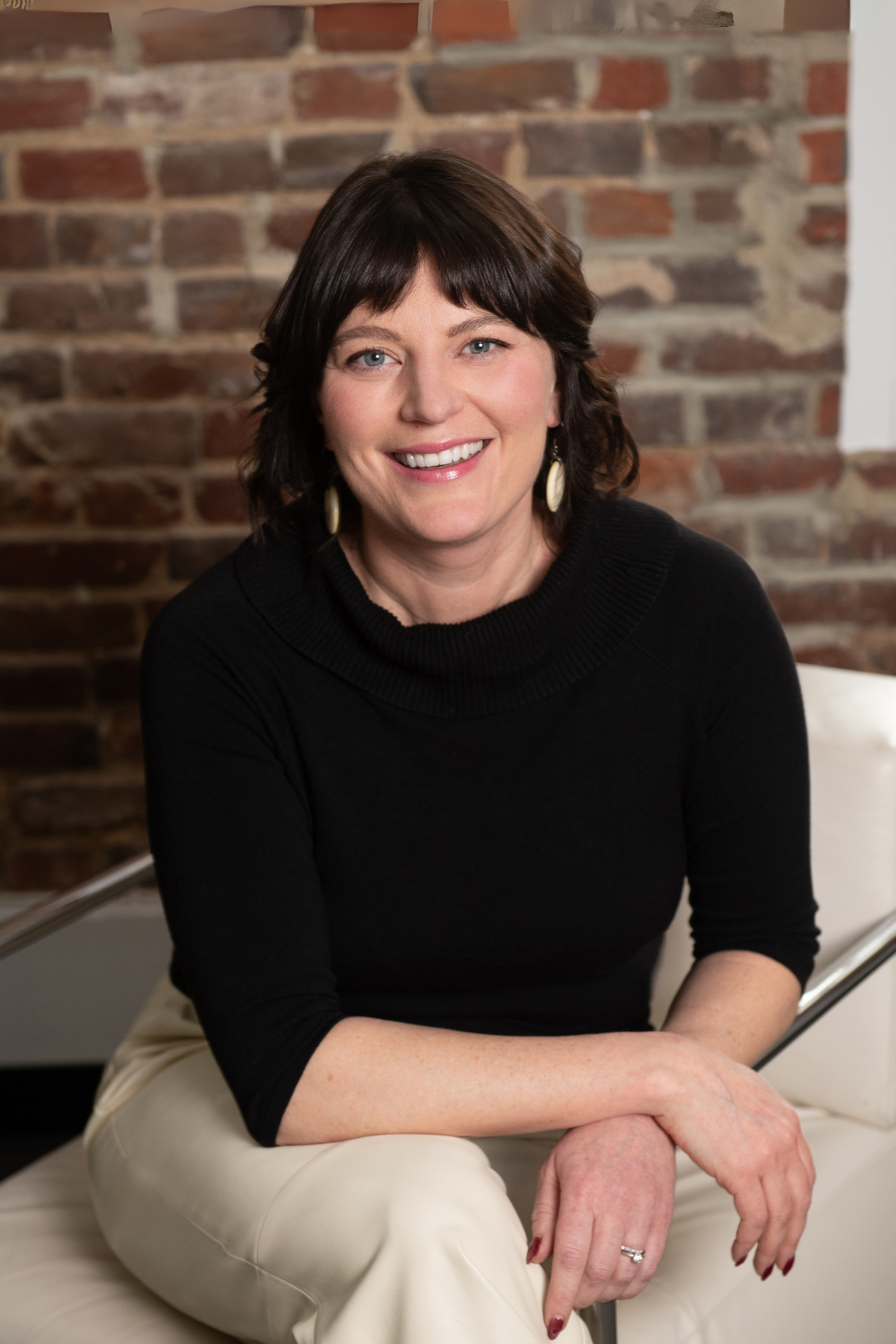
Marian Marquez
Alexandria Economic Development Partnership
Marian Marquez is Senior Vice President at the Alexandria Economic Development Partnership (AEDP), where she leads the city’s core economic development functions and helps shape its long-term economic strategy. A trusted advisor to the President & CEO, she played a central role in Alexandria’s 2025 Economic Summit and the ALX Forward strategic framework, which engaged hundreds of stakeholders and will guide the city’s economic future. Known for her warm, collaborative leadership style, Marian brings together diverse voices to drive meaningful outcomes. She previously held senior roles at Arlington Economic Development, contributing to transformative initiatives, including Amazon HQ2.

Nicole Wheeler McNamara
Catalyst Innovation
Nicole Wheeler McNamara is the founder and CEO of Catalyst Innovation, a strategy consultancy helping leaders navigate complex change. With more than 20 years of experience, including serving as a Vice President at Salesforce leading a $250 million global portfolio, she brings exceptional depth to the boardroom and the community. A regular contributor to WUSA9’s Federal Workforce Fallout, host of the podcast Who Moved My Career?!, and a board member of How Women Lead and the Shiloh Family Foundation, Nicole is known as “The Velvet Hammer” for her blend of strategic rigor and human-centered leadership. She lives and leads in Alexandria.

Gretchyn Gay Meinken, Esq.
Friedman, Grimes, Meinken & Leischner, PLLC
Gretchyn Meinken grew up in a U.S. Army family, spending much of her childhood in Germany. She moved to Alexandria after earning a Bachelor of Science degree from the University of Alabama in 2000 and has called the city home ever since. She earned her Juris Doctor from George Mason University School of Law in 2007 and is now a partner at Friedman, Grimes, Meinken & Leischner, PLLC, where she focuses her practice on estate planning and estate and trust administration.

Pat Miller
Alexandria Celebrates Women
Pat Miller is a visionary community leader whose impact can be felt throughout Del Ray and Alexandria. She co-founded the beloved Del Ray Farmers’ Market and founded Art on the Avenue, two initiatives that have become defining pillars of the community and helped shape Del Ray into one of the region’s most vibrant neighborhoods. She also helped transform the former Potomac West Business Association into what is now the Del Ray Business Association, strengthening the community’s collaborative spirit and support of local businesses. As founder of Alexandria Celebrates Women, Pat has spent decades championing artists, entrepreneurs, and community connection, leaving a lasting legacy across Alexandria.

Jim Paige
Concerned Citizens Network of Alexandria (CCNA)
Jim Paige is a retired Army Colonel and senior executive with extensive experience in international affairs, strategic communications, program management, and leadership development. As Executive Director of the Concerned Citizens Network of Alexandria (CCNA), he leads efforts to advance educational equity, health, affordable housing, and social justice for underserved communities. A respected community leader, Jim collaborates with local, regional, and national partners while serving on numerous equity-focused boards and committees. He has been recognized as an Alexandria Living Legend, received the Presidential Lifetime Achievement Award, and continues to champion veterans, students, and families throughout the region.

Markos Andreas Panas
Bread & Water Company
Markos Panas is an entrepreneur, artist, and community builder who grew up in Northern Virginia, lived and studied across the U.S. and abroad, and chose Alexandria as the place to plant his roots. As founder of Sweetbake, Inc., he operates Bread & Water Company, Beeliner Diner, Bun Papa, and The Dog Park — a portfolio of beloved Alexandria businesses earning numerous local and regional awards. A formally trained painter with a BFA from the San Francisco Art Institute and an MFA from Pratt Institute, Markos built his first venture alongside his father before growing it into one of Alexandria’s most recognized hospitality brands. As a World Central Kitchen Chef Corps Member, he has mobilized his businesses to feed thousands during regional emergencies. He is a certified Kundalini Yoga instructor, Zen Buddhist, and competitive endurance race car driver.

Marian Marie Pegram
CareFirst BlueCross BlueShield (retired)
Marian M. Pegram is an accomplished healthcare operations leader with more than 25 years of experience in program management and organizational leadership. As former Program Director at CareFirst BlueCross BlueShield, she led compliance, privacy, and risk mitigation for a program serving more than 600,000 members. A dedicated public servant in Alexandria, she was appointed co-chair of the Energy and Climate Change Task Force and served on the Commission for Women. She has held leadership roles at Alfred Street Baptist Church, including serving on the Property Committee and supporting My Brother’s Keeper, Feed the 5000, and ALIVE!. She is a proud member of Delta Sigma Theta Sorority, Inc.
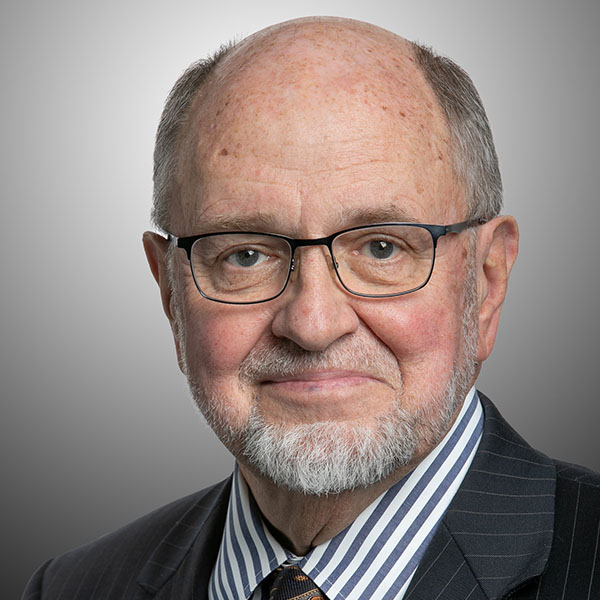
John Porter
Alexandria City Public Schools & ACT for Alexandria
John Porter retired from Alexandria City Public Schools in 2009 after a distinguished 40-year career as a teacher, assistant principal, principal, and assistant superintendent. His 22-year tenure as principal of T.C. Williams High School (now Alexandria City High School) included helping establish the Scholarship Fund of Alexandria, which has supported countless students pursuing higher education. Following retirement, John served as President and CEO of ACT for Alexandria until 2017. He now works as an education and nonprofit consultant while serving on the boards of the Leadership Alexandria Alumni Association and Educational Opportunities for Alexandrians.

Shara Posner, DC
Back to Health Center
Dr. Shara Posner is the founder and clinical director of Back to Health Center in Alexandria, where she has spent more than 20 years helping patients move better and live healthier lives. Known for her practical, results-driven approach, she blends chiropractic care with modern wellness therapies to address the root causes of pain and dysfunction. She specializes in prenatal and postpartum care and created the Mobile Momma Method to support women through every stage of motherhood. A respected community leader, Dr. Posner has earned local recognition and been featured in regional media for advancing patient-centered care.
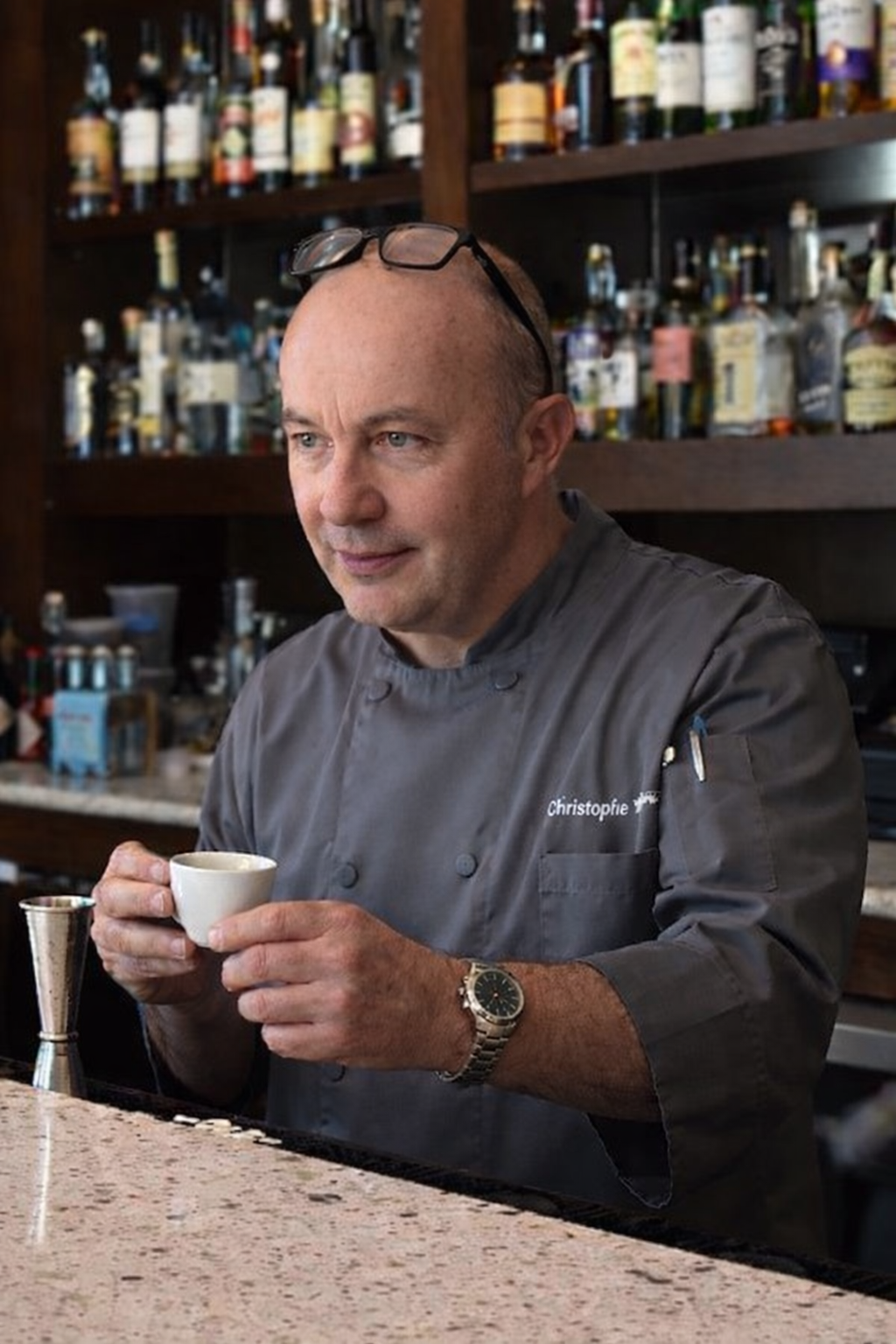
Christophe Poteaux
Bastille Brasserie & Bar
Christophe D. Poteaux is a European-trained chef, restaurateur, and hospitality leader with more than 30 years of experience in France and the United States. A three-time featured chef at the James Beard House, he is the chef-owner of Bastille in Alexandria, which he operates with his wife, business partner, and award-winning pastry chef, Michelle Poteaux. Together, they have built Bastille into a community-centered destination recognized with multiple RAMMY nominations, Washingtonian Top 100 rankings, and Wine Spectator Awards. Christophe is known for mentoring culinary talent, supporting local producers, and strengthening Alexandria’s culinary community.

Dominion Energy
Scott Price is Regional Policy Director at Dominion Energy. Previously, he served as Regional Director for Senator Mark R. Warner and Executive Director of the Virginia High-Tech Partnership. Scott is a Trustee at New Bethel Baptist Church and serves on the boards of the Northern Virginia Black Chamber of Commerce, the Northern Virginia Community College Educational Foundation, NOVA Parks, the Virginia Lottery, and the Northern Virginia Chamber of Commerce. He is also Founder and President of the Capital Investment Club, a former Class President and Trustee for the University of Virginia Class of 1993, and a member of Alpha Phi Alpha Fraternity, Inc.
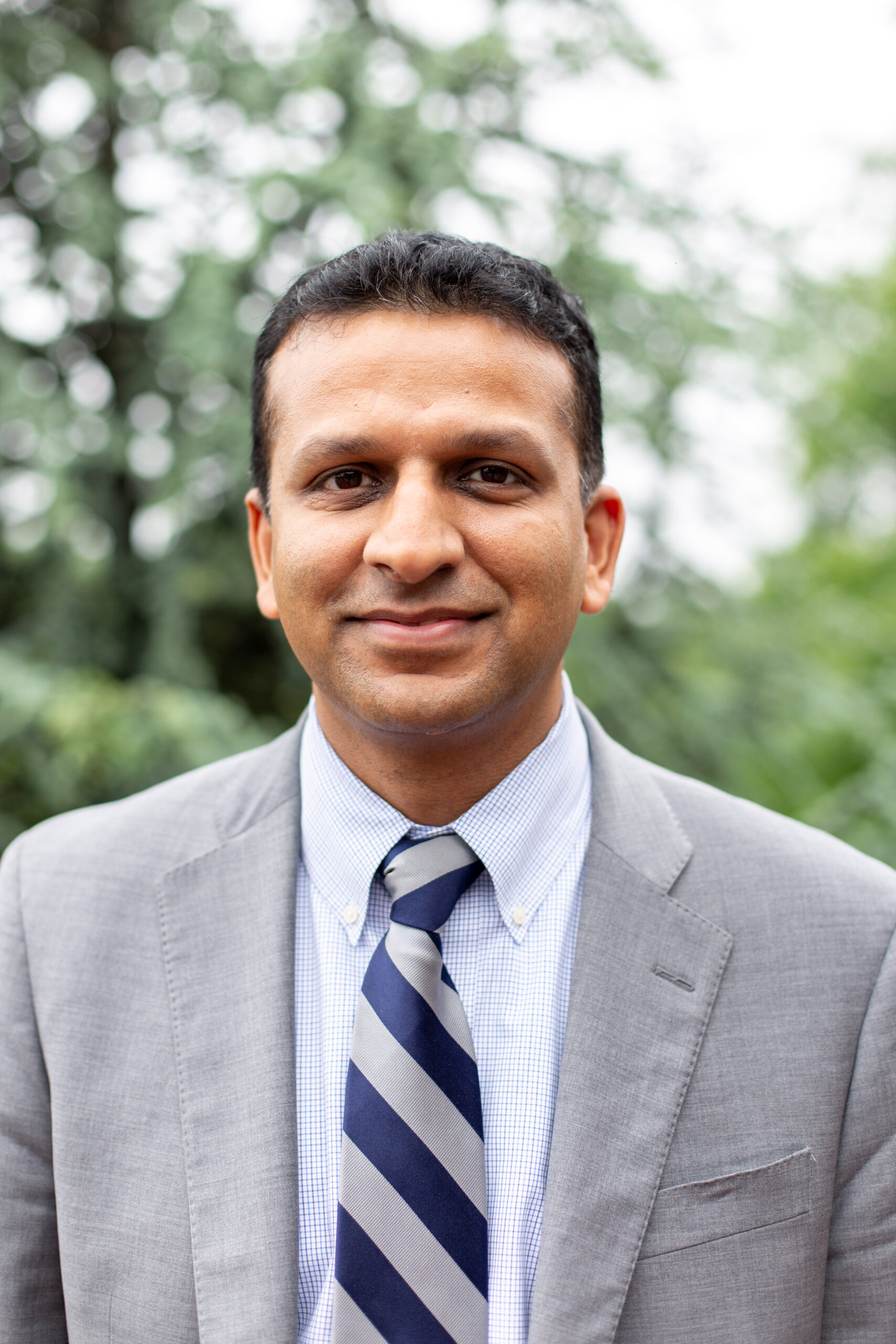
Sukumar Rao
The Parnin Group
Sukumar Rao is President of The Parnin Group, a management consulting firm that advises leaders across government, nonprofit, and private-sector organizations. An accomplished executive and entrepreneur, he is widely regarded as a thought leader in organizational performance and health. His work focuses on helping organizations achieve meaningful, measurable outcomes by aligning strategic vision with operational excellence. Mr. Rao holds an MBA from Columbia University. Beyond his professional work, he serves on the Board of ACT for Alexandria, a community foundation dedicated to improving the quality of life for all who live and work in Alexandria.
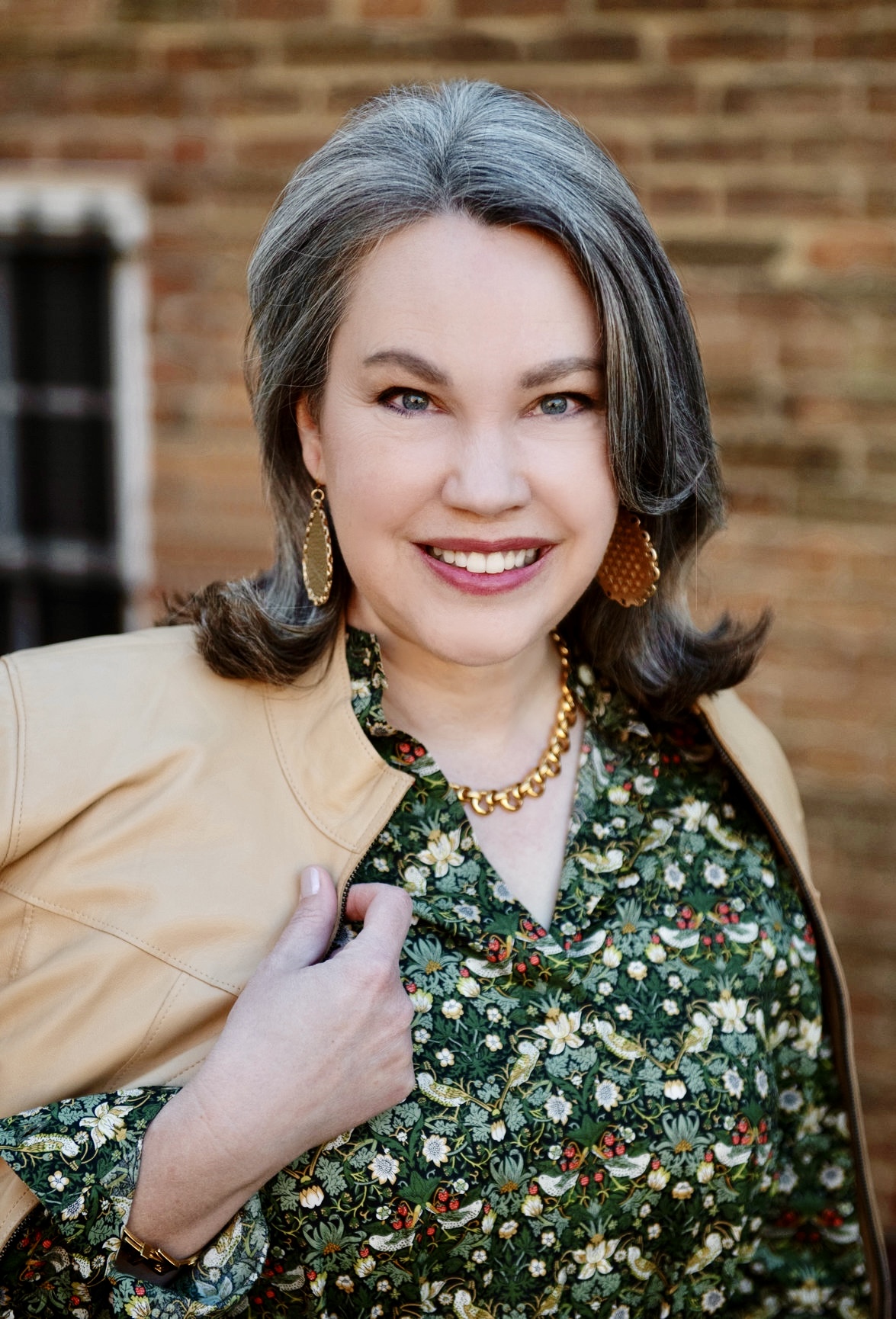
Tricia B. Ritchie
ACT for Alexandria
Tricia is a nonprofit leader with over 25 years of fundraising experience, with demonstrated expertise in major gifts, donor cultivation, and strategic planning. She serves as Chief Development Officer at ACT for Alexandria, where she directs the community foundation’s development program and serves on the leadership team. A graduate of the College of William & Mary, Tricia previously served as development consultant for organizations like Levine Music and ALIVE! and held leadership positions at Maret School. She serves as a Deacon and Finance Chair at First Baptist Church of Alexandria, and previously served as a member of the Campaign Committee.

Alexandria General District Court
Judge Sonya L. Sacks has been a dedicated member of the Alexandria community for 36 years. She began her career as an Assistant Commonwealth’s Attorney for the City of Alexandria in 1989, serving for 17 years. She has been an active member of Shiloh Baptist Church in Alexandria since 1990. In 2020, she was appointed to serve as the first African American female judge in the City of Alexandria. As a proud resident of Alexandria, she is deeply involved in organizations/programs in the community that contribute to the mentoring, development, and continued higher education of children.

Shelli Vasser Gilliam
Community Lodgings
Shelli Vasser Gilliam is an engaging and captivating connector, executive fundraiser, public speaker, and events producer. Currently, she is the Director of Development for Community Lodgings, where she is responsible for fund development, partnerships, and public relations, as well as mobilizing the Alexandria community to support the organization’s mission. Her background includes sales and marketing, membership, and coaching people on executive presence, and she previously served as staff to Alexandria City Council. Shelli is a graduate of Virginia Tech, a Certified Meeting Professional, and holds certificates in Training and Facilitation, Sustainable Events, Professional Fundraising, and Diversity, Equity and Inclusion in the Workplace.

Dayana Villanueva
M&T Bank
Dayana Villanueva is a Business Banking Team Leader at M&T Bank with nearly 21 years of experience. She is passionate about helping business owners achieve financial success and champions community engagement through volunteer work with organizations including United Community, Pathway Homes, Rebuilding Together, Cornerstones, and Latinas Leading Tomorrow. As Vice Chair of Latinas Leading Tomorrow, she mentors and empowers young Latinas to become future leaders. Dayana is a Washington Business Journal 40 Under 40 honoree and a Heroines of Washington honoree. She earned her MBA from the University of Scranton and bachelor’s degree from George Mason University.

Rosie Wiedemer
Scholarship Fund of Alexandria
A native New Yorker, Rosie Wiedemer came to Alexandria 20 years ago and immediately felt at home. After working at Bloomberg for eight years, she stepped away to raise her two children and began teaching yoga. She soon became involved in fundraising through Valley Drive Preschool, leading to years of volunteer service with local schools and the Scholarship Fund of Alexandria. After volunteering with the Scholarship Fund for four years, Rosie joined the organization as a Relationship Manager, where she has happily served for the past eight years.

Stephanie Woodland Kelly
AR Workshop Alexandria
Stephanie Woodland Kelly’s professional career spanned more than 35 years as an accountant in both the corporate and nonprofit sectors. After retiring from Christ Church Alexandria in 2024 following 17 years of service, she embraced a new chapter by purchasing AR Workshop Alexandria, a DIY craft studio in the heart of Old Town. Stephanie combines her passion for creativity with her commitment to community, creating a welcoming and inclusive space where people connect through hands-on experiences, collaboration, and meaningful relationships.

Jason Yates & Loren Yates
Jason and Loren Yates transformed a long-neglected intersection at Braddock Road and Mount Vernon Avenue into today’s thriving Yates Corner, home to Lena’s Wood-Fired Pizza & Tap, Yates Dry Cleaners, Yates 7-Eleven, and other neighborhood businesses. Through years of perseverance, environmental remediation, and thoughtful redevelopment, they created a community destination that generates jobs, supports local commerce, and reflects their commitment to responsible growth. Beyond business, the Yates family has donated hundreds of thousands of dollars to local nonprofits and launched the “Give Your 2 Cents” program, supporting Alexandria charities through every gallon of gas sold.