
Potomac Sewage Spill: What Alexandria’s Waterfront Data Shows — And What It Means for Wildlife

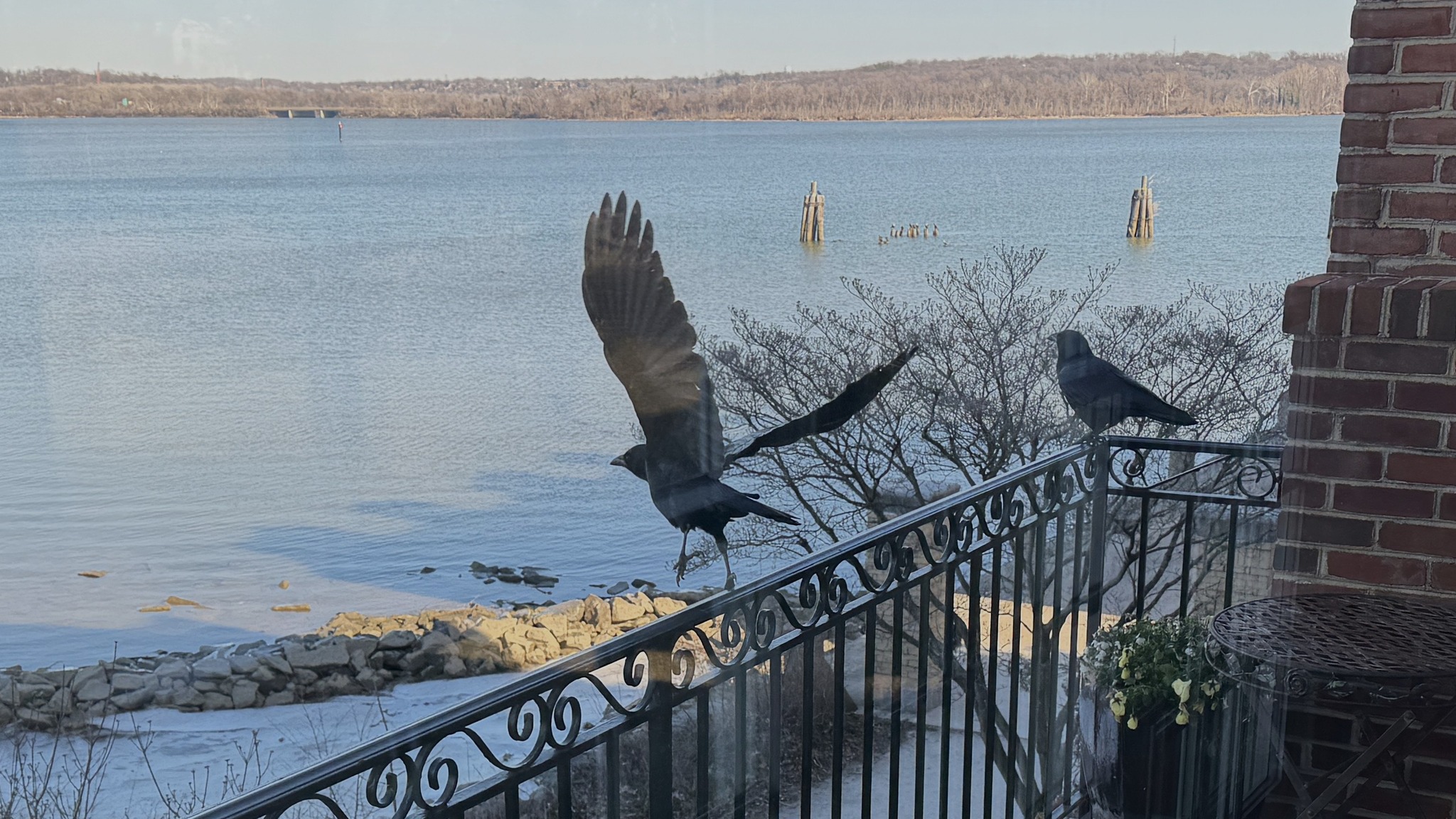 ALEXANDRIA, VA – Following the major Potomac sewage spill affecting Alexandria’s waterfront, residents immediately asked the same question: What does this mean for our stretch of the river?
Alexandria’s waterfront is one of our city’s greatest treasures. So when millions of gallons of untreated sewage entered the Potomac River following the collapse of a major interceptor line upstream, residents immediately asked the same question:
What does this mean for our stretch of the river?
Here’s what the data shows so far — and what officials are saying about impacts on wildlife and public safety.
What Happened
The rupture of a large Potomac Interceptor sewer line upstream of Washington sent raw sewage into the river, prompting a regional recreational water advisory.
The Virginia Department of Health (VDH) issued a warning covering approximately 72.5 miles of the Potomac River, advising people and pets to avoid contact with river water, including swimming, wading, and kayaking.
The City of Alexandria’s Health Department reiterated that guidance, stating:
“People and pets should avoid activities like swimming, kayaking, and wading in the Potomac River.”
The City also noted that as of its latest update, it had not seen an uptick in gastrointestinal illnesses locally, though monitoring continues.

Alexandria-Specific Water Test Results
The Virginia Department of Environmental Quality (DEQ) conducted targeted sampling on February 17, testing 25 locations along roughly 49 miles of river from Chain Bridge downstream.
Several sampling points were located at or directly adjacent to Alexandria’s waterfront.
Here are the reported E. coli results (measured in MPN/100 mL):
-
Jones Point Park: 31
-
City of Alexandria Marina / Torpedo Factory: 31
-
Belle Haven Marina: 158
-
Daingerfield Island / Washington Sailing Marina: 146
-
Four Mile Run (G.W. Parkway Bridge): 420
For context, regional agencies commonly reference 410 MPN/100 mL as the benchmark level used for contact recreation advisories.
All Alexandria riverfront sites tested below that benchmark — except Four Mile Run, which measured 420, just above the commonly cited threshold.
DEQ notes these results are provisional pending quality assurance review.
What This Means for Wildlife
Beyond human health concerns, the ecological impact is also under scrutiny.
According to the District Department of Energy & Environment (DOEE):
“Solids in sewage can smother aquatic habitats. Plants and animals can suffer infections… [and] acute toxicity.”
Environmental experts explain that raw sewage introduces:
-
Elevated bacteria
-
High organic material that reduces dissolved oxygen
-
Nutrient loads that can fuel algae growth
-
Potential chemical contaminants
Lower oxygen levels are particularly stressful for fish, especially juveniles and bottom-dwelling species that form the base of the food web.
While there were reports of fish kills shortly after the spill, DOEE stated those reports were not verified, partly due to winter weather and ice limiting field surveys.
Scientists emphasize that impacts to river systems are not always immediate or dramatic. Subtle stress to aquatic insects, mussels, and small fish can ripple upward through the ecosystem over time.
Why Alexandria’s Numbers Matter
The Potomac is tidal at Alexandria. Water moves, mixes, and flushes differently here than it does upstream near the spill site.
The relatively low bacteria counts at Jones Point and the City Marina suggest that, at least at the time of sampling, contamination levels in Alexandria’s open river channel were not elevated to the same degree seen closer to the rupture.
However, Four Mile Run’s higher reading is notable because tributaries and slower-moving waters can trap and concentrate pollutants.
Officials continue to advise avoiding contact with river water until advisories are lifted.
What Residents Should Know
-
The recreational advisory remains in effect.
-
Pets should not swim or drink from the river.
-
Fishing and direct water contact are discouraged until further notice.
-
Monitoring is ongoing at the state and regional levels.
Alexandria’s waterfront remains open for walking, dining, and enjoying the view — but not for entering the water.
The Bigger Picture
Rivers are resilient. But they are also cumulative systems — meaning each spill adds stress to an ecosystem already facing runoff, development pressure, and climate impacts.
The encouraging news for Alexandria residents: current published data does not show widespread extreme contamination at our primary waterfront sites.
The cautious news: monitoring continues, and long-term ecological effects — particularly on aquatic life — take time to fully understand.
For now, the message is simple:
Enjoy the river from the shore.
Give the water time to heal.
And stay tuned — The Zebra will continue to follow updates that affect Alexandria first.


